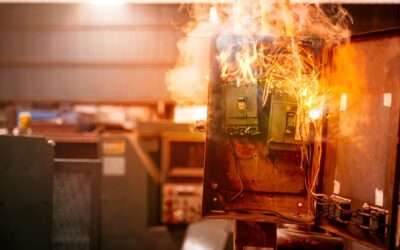
At a Glance: Fire retardant materials are engineered to slow or stop the spread of flames by disrupting the combustion process. These innovations are used for a variety of firefighting purposes, including aerial wildfire suppression and structural fire protection that...
Blog
What is the Fire Tetrahedron and What Do Firefighters Need to Know?
At a Glance: The fire tetrahedron consists of the four elements that are required for fire to exist and continue burning: fuel, heat, oxygen, and the chemical chain reaction. Removing any single element will stop a fire, making the tetrahedron an important part of...
How to Prevent Fire Hose Friction Loss: Essential Strategies for Optimal Water Flow
The Short Answer: You can reduce fire hose friction loss through proper hose selection, maintenance and the ideal deployment techniques. Things such as using the right hose diameter, maintaining clean surfaces and avoiding sharp bends are the main ways to reduce hose...
What Gear Does A Wildland Firefighter Need?
The Short Answer: Wildland firefighters require specialized protective equipment, including fire-resistant clothing, boots, helmets and gloves. This equipment must meet NFPA standards and includes both personal protective equipment (PPE) and hand tools necessary for...
From NFPA 1901 to 1900: A Guide For the New Standard
NFPA 1900 is the new consolidated standard that governs the design, performance and safety of fire apparatus, including pumpers, tankers, aerials, wildland units and rescue vehicles. Introduced on January 1, 2024, it replaces several previous standards, including NFPA...
Types of Fire Hoses and Nozzles: A Complete Guide for Firefighters
Fire hoses and nozzles aren’t just tools — they’re lifelines. Every second matters when you're on a call, and your hose-nozzle setup can mean the difference between a knockdown and a burnout. From house fires to industrial blazes, the right combination delivers the...
How to Create an Effective Schedule for Firefighters
Creating an effective firefighter schedule is a balancing act between ensuring 24/7 coverage and preventing burnout. Managing personnel, meeting legal requirements, and providing a reliable emergency response can be challenging for fire departments. A well-structured...
How to Become a Firefighter? Requirements, Process, and Training
Choosing to become a firefighter means stepping into a career of purpose, discipline and service. It’s a role that demands physical strength, mental resilience and a clear sense of duty. According to the U.S. Bureau of Labor Statistics, employment of firefighters is...
What Are the Best Firefighter Training Ideas?
Short Answer: The best firefighter training ideas are realistic, hands-on instruction that prepares department members for real emergency response situations. From SCBA confidence courses to large-scale multi-unit scenarios, the most effective trainings are tailored,...
Class K Fires: Risks, Causes, and Prevention Methods
When it comes to firefighting, not all fires are created equal. Class K fires represent a particularly hazardous type of kitchen fire fueled by cooking oils, including vegetable oil, animal fats and other combustible cooking media. These fires often occur in...
Fire Rescue and Service Ranks: A Complete Guide for Today’s Firefighters
In the fire service, rank isn’t just a title, it’s about responsibility, command and knowing where you stand when it’s time to get to work. Whether you’re working in a large metro fire department or a rural volunteer firefighter operation, ranks keep the team...
Class D Fires: Causes, Risks, and Prevention
All fires are dangerous, but Class D fires are in a league of their own because of their involvement with combustible metals that react violently with water and conventional extinguishing agents. Unlike common combustible materials like wood or paper, flammable metal...