
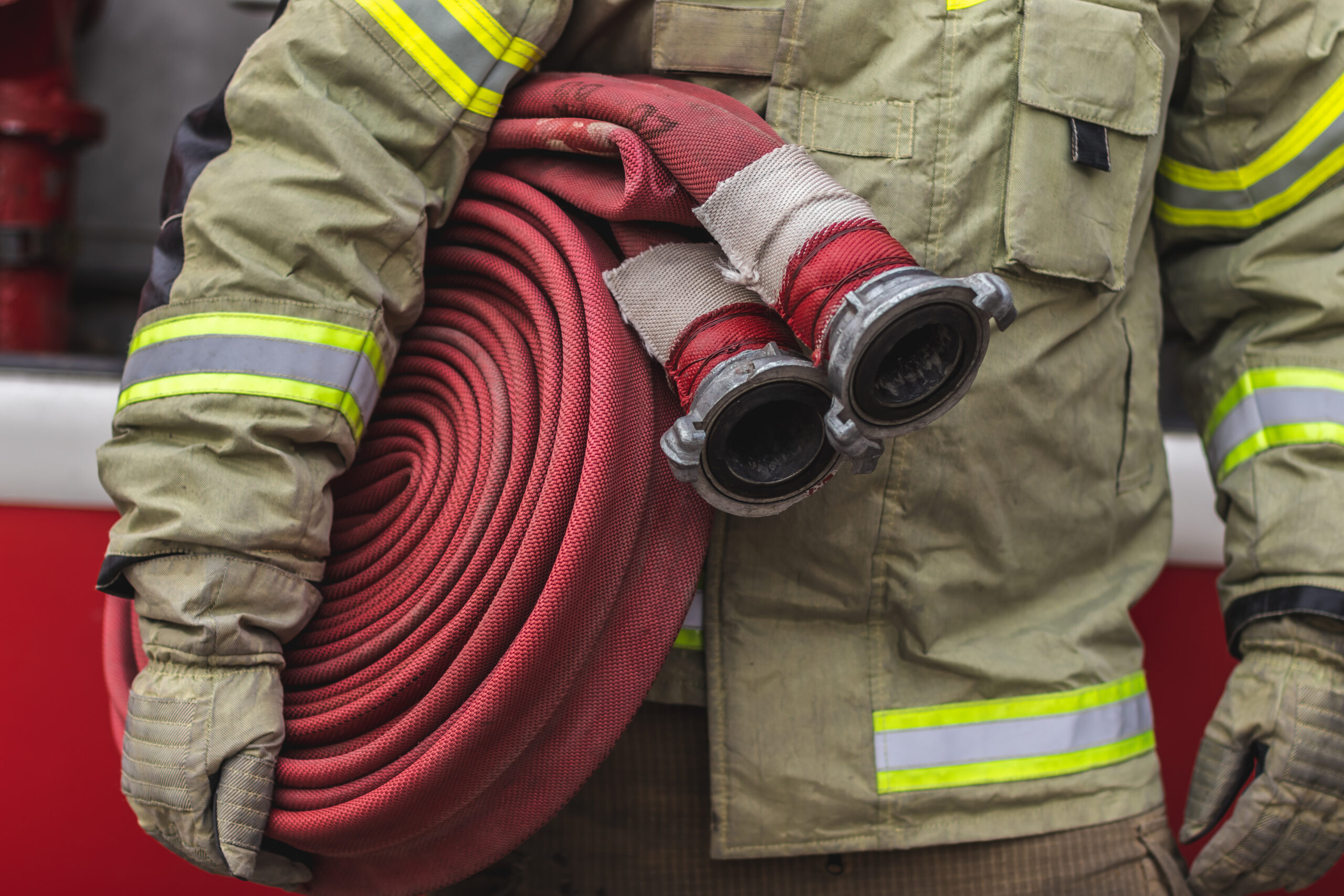
NFPA 1900 is the new consolidated standard that governs the design, performance and safety of fire apparatus, including pumpers, tankers, aerials, wildland units and rescue vehicles. Introduced on January 1, 2024, it replaces several previous standards, including NFPA 1901, which long served as the benchmark for structural fire apparatus.
This guide breaks down what NFPA 1900 covers, how it differs from NFPA 1901, and what departments need to know when purchasing new trucks or evaluating legacy fleets. Whether you’re preparing specs, requesting bids, or reviewing compliance documentation, understanding NFPA 1900 is now essential.
What Changed and Why It Matters

The shift from NFPA 1901 to NFPA 1900 wasn’t just a name change. This move simplified the regulatory landscape and modernized the rules to meet today’s fire service needs. It was a major consolidation of four standards into one:
- NFPA 1901 (Automotive Fire Apparatus)
This standard outlined the design, safety and performance requirements for structural fire trucks, including pumpers, tankers and aerial apparatus used in municipal fire response. - NFPA 1906 (Wildland Fire Apparatus)
Focused on off-road and wildland firefighting vehicles, NFPA 1906 addressed requirements like vehicle stability, clearance and water delivery systems designed for rugged terrain. - NFPA 414 (Aircraft Rescue and Firefighting Vehicles)
This standard applied to specialized apparatus used in aircraft emergencies, including requirements for rapid acceleration, agent capacity and maneuverability on airfields. - NFPA 1917 (Ambulances)
Set the performance and safety standards for emergency medical transport vehicles, including patient compartment design, equipment storage and crashworthiness.
Key Changes in NFPA 1900
EV Accommodation
NFPA 1900 introduces safety requirements for electric and hybrid fire apparatus, including isolation zones, clear warning labels and protocols for working around high-voltage components. These changes are essential as more departments begin exploring EVs for sustainability and operational cost savings.
Backup Cameras Now Mandatory
All new fire apparatus must include rearview cameras to reduce blind spots and improve driver awareness. This is particularly helpful for navigating tight urban areas or backing into busy stations, where pedestrian safety is a concern.
Powered Hose Reel Rewind
Hose reels longer than 100 feet must now include powered rewind mechanisms. This change helps prevent repetitive strain injuries and saves valuable time during post-incident cleanup, especially in departments that routinely deploy long lines.
Loose Equipment Requirements Now Flexible
Previously, NFPA 1901 required specific mounting for equipment. Under NFPA 1900, these requirements are now recommended rather than mandatory, giving departments more flexibility in how gear is stored. While secure mounting is still encouraged, departments can make decisions based on operational preferences or storage limitations without risking noncompliance.
Combined Standards for Apparatus Types
By merging NFPA 1901, 1906, 414, and 1917 into one standard, NFPA 1900 eliminates overlap and confusion. Departments now benefit from a unified framework that applies to structural, wildland, ARFF, and ambulance apparatus, streamlining both procurement and compliance.
Refined Seating & Cab Design
NFPA 1900 now requires that cab seating clearly indicates whether it’s designed for full-time or occasional use. Full-time seats must meet stricter safety standards, including restraints and spacing. This ensures personnel are protected based on how the seat is used in the field.
Battery Testing for Onboard Systems
To improve reliability and safety, NFPA 1900 introduces standardized testing protocols for low-voltage battery chargers. These tests confirm thermal safety and ensure compatibility with increasingly complex onboard electronics, such as power management systems and diagnostic tools.
Why This Matters For Fire Departments
- Modern requirements reduce confusion across apparatus types
- Insurance, liability and grant funding may rely on current standard compliance
- Knowing both standards helps you evaluate older trucks and plan smart replacements
Bottom line: If your department is purchasing a truck today, NFPA 1900 is the rulebook.
Core Requirements That Continue Under NFPA 1900

Although NFPA 1900 introduces new updates and merges several apparatus standards, much of the foundation from NFPA 1901 remains intact. Fire departments familiar with NFPA 1901 will still recognize key performance and safety requirements—they’ve simply been reorganized and, in some cases, clarified or strengthened. Below is a breakdown of the core requirements that continue under NFPA 1900, along with an overview of what’s new and what departments need to verify during procurement.
Pump Performance Testing and Certification
NFPA 1900, like its predecessor, requires rigorous pump performance testing to ensure your apparatus can deliver water reliably under pressure. This includes:
- Pumping at multiple flow rates and pressure levels (typically 100%, 70% and 50% capacity)
- Demonstrated ability to draft from a static water source
- Third-party certification confirming the pump meets all operational specs
Water Tank Capacity Minimums
NFPA maintains an apparatus’ minimum tank size requirements based on its primary function. This ensures any apparatus can operate independently for a sufficient period, especially for areas with limited hydrant access. For example:
- Pumpers typically require at least a 300-gallon tank
- Tankers (tenders) may carry 1000 gallons or more, depending on their classification
Chassis and Structural Integrity
The standard continues to mandate that fire apparatus be built on heavy-duty, crash-resistant chassis. Structural strength isn’t just about longevity—it’s about firefighter safety during emergencies and high-risk driving conditions. Requirements include:
- Frame rails capable of withstanding dynamic loads
- Reinforced cab structures for rollover protection
- Stability requirements to reduce the risk of tipping during turns or high-speed travel
Electrical System Safety and Grounding
NFPA 1900 retains detailed requirements for electrical system safety to reduce fire and electrocution risks. These include:
- Proper circuit protection (fuses, breakers)
- Secure wiring with thermal and abrasion protection
- Reliable grounding systems to prevent shorts or malfunctions
- Isolation of high-voltage systems in electric apparatus
Departments should confirm all electrical systems are tested and documented per the updated standard, especially as EV components become more common.
Compartment Design and Accessibility
Apparatus must be designed so that tools and gear are not only secure but also easily reachable under high-stress conditions. To maintain operational efficiency and firefighter ergonomics, NFPA 1900 carries forward:
- Requirements for compartment lighting
- Load capacity ratings for shelving and slide-outs
- Access height limitations to prevent overreaching or unsafe climbing
- Anti-slip surfaces on stepping and standing areas
Ground Clearance and Approach/Departure Angles
Fire apparatus, especially wildland and rescue types, must meet specific ground clearance requirements to prevent underbody damage and maintain off-road capability. NFPA 1900 continues to require:
- An approach angle of at least 8 degrees
- A departure angle of at least 10 degrees
- Minimum ground clearance depending on vehicle class and intended use
Weight Distribution and Axle Load Limits
Improper loading can lead to instability, premature wear, or even failure under emergency braking or evasive maneuvers. The standard weight balance mandates:
- Accurate front and rear axle load distribution
- Center-of-gravity documentation
- Weight ratings that match gross vehicle weight rating (GVWR)
Certification, Testing, and What to Look For
Before you accept delivery on any new truck, your department should receive a full compliance package. This includes:
- Third-party verification certificates (such as UL or Intertek)
- Pump test results across multiple pressure levels
- Road test data, including stopping distance and acceleration metrics
- Weight certification for both GVWR and axle loads
- Documentation showing the apparatus meets NFPA 1900 requirements specifically, not just general fire apparatus standards
Planning for Compliance
Now that NFPA 1900 is the standard, fire departments must be strategic when purchasing apparatus.
Write Clear, NFPA 1900-Compliant Specs
Clearly state that your apparatus must meet NFPA 1900. Specify the type (pumper, tanker, etc.), include GVWR classifications if applicable, and reference relevant chapters based on your needs.
Ask the Right Questions
Before committing, ask:
- Is the truck fully NFPA 1900 compliant?
- What testing documentation will be provided?
- Does the design exceed any minimum requirements?
Manage Legacy Fleet Transitions
NFPA 1901 trucks remain legal, but departments should plan replacements based on age and safety. Consider refurbishing where appropriate, and aim to standardize on NFPA 1900 features for consistency.
Why Fire Departments Choose Fouts Fire
Fouts Fire delivers NFPA 1900-compliant apparatus with speed, reliability, and real-world performance in mind. With a focus on standardized builds and fast lead times, we help departments get the equipment they need, without unnecessary delays or inflated costs.
What you can expect from Fouts Fire:
- Fully NFPA-compliant pumpers, tankers, and rescue units
- Third-party testing and documentation at delivery
- Shorter lead times thanks to streamlined manufacturing
- Dedicated support for parts and service
- A national dealer network
We build more than fire trucks, we build confidence on the fireground. Contact us for your next NFPA 1900-compliant apparatus.