PURPOSE-BUILT FIRE APPARATUS

SHARE YOUR FOUTS
FIRE MOMENTS @foutsfire

Who we are

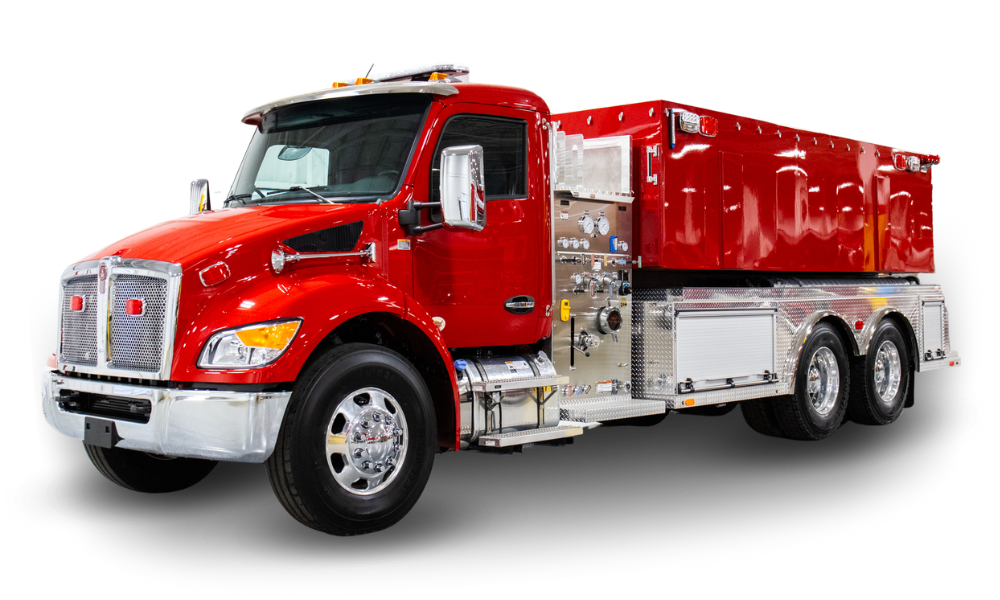
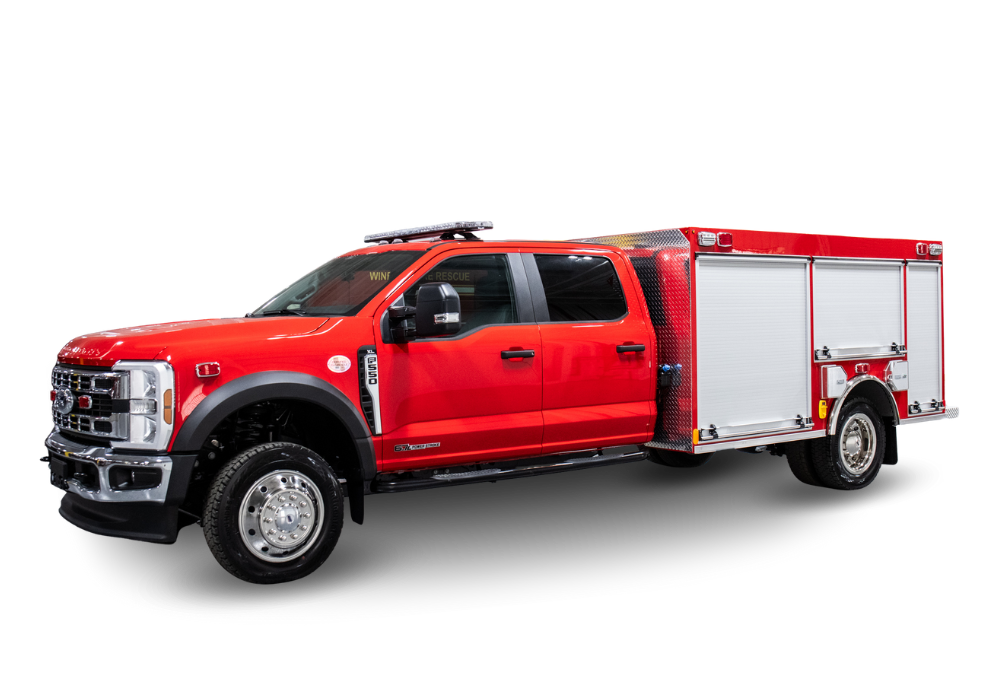
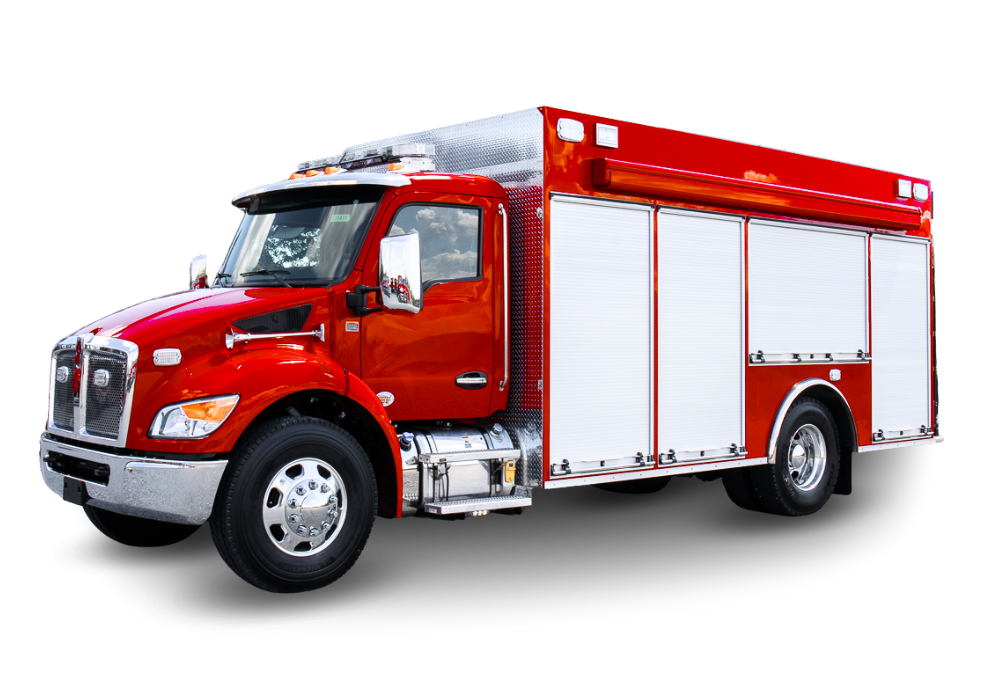
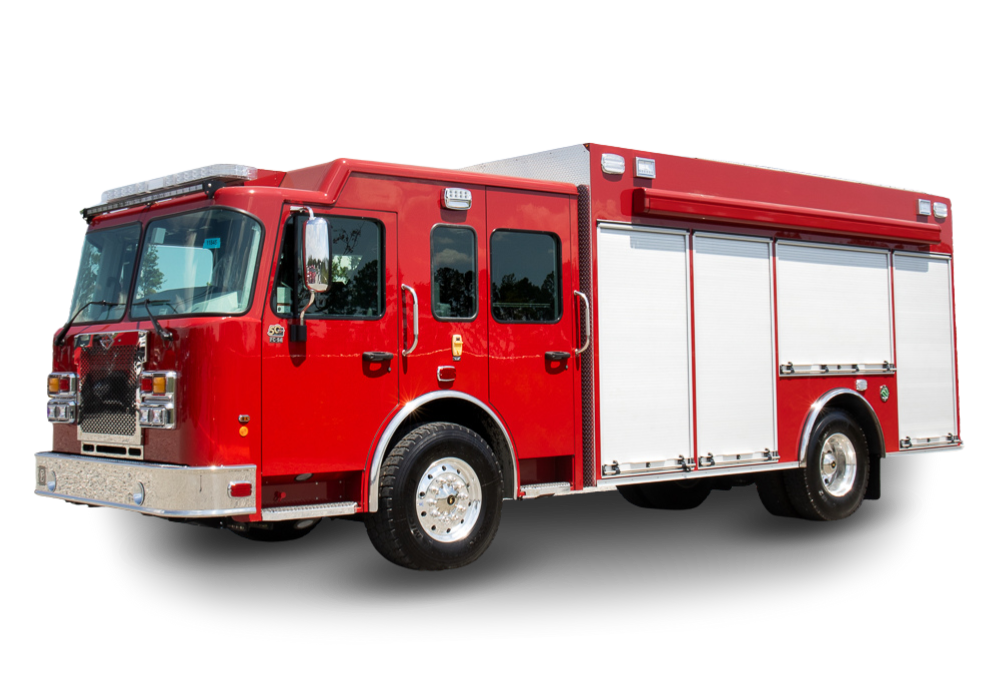
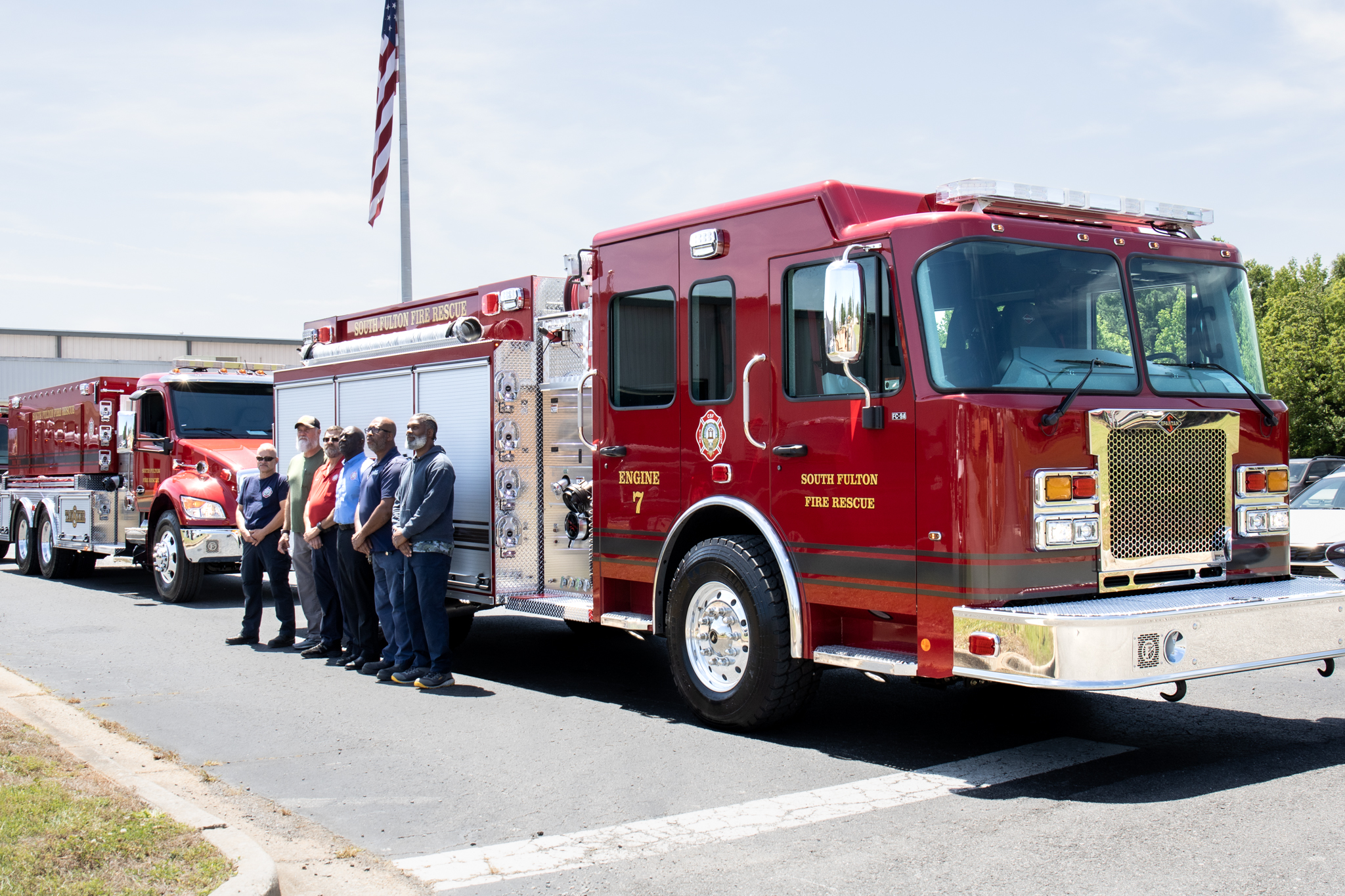
Established in 1952 and proudly family-owned, Fouts Fire is a premier manufacturer of high-quality fire apparatus headquartered in Milledgeville, Georgia. With more than seven decades of industry expertise, we specialize in the design and production of reliable, cost-effective fire apparatus, including pumpers, tankers, and rescue vehicles, engineered to meet the evolving demands of fire departments nationwide.

Our steadfast commitment to innovation, expedited delivery, and exceptional customer service has earned Fouts Fire a respected reputation across the industry. More than just building fire apparatus, we deliver the confidence and readiness that first responders depend on.

Recent Deliveries

Our Process

Step 1

Precision Manufacturing

At Fouts, we don’t just build fire apparatus, we engineer reliability. Our nine standard models are designed with the core essentials every fire department needs, eliminating unnecessary complexity and focusing on what matters most: performance, durability, and safety. By standardizing our designs, we ensure every component is precisely manufactured to exacting specifications, delivering consistent quality across every unit.

Step 2

Efficient Assembly

Time is critical, both on the fireground and in the factory. Our streamlined assembly process is built for speed and accuracy. With fewer customizations and a focus on essential features, we reduce production bottlenecks and accelerate build times. Every apparatus is assembled by skilled technicians who understand the mission behind the machine, ensuring your apparatus is ready to serve fast.

Step 3

Seamless Delivery

With one of the largest dealer networks in the country, Fouts ensures your apparatus gets where it needs to be, when you need it. Our nationwide partners provide local support, training, and service, making delivery and deployment smooth and stress-free. From our factory floor to your firehouse, we make sure every step of the journey is seamless.

Blogs

Different Types of Firefighter Work Schedules: What to Know

At a Glance: Firefighter schedules are designed to provide 24/7 emergency coverage while allowing time for firefighters to rest and recover. The most common schedules include the 24/48 (24 hours on, 48 hours off), the 48/96 (48 hours on, 96 hours off), and rotating...

What is a Class A Fire Rating?

At a Glance:  A Class A fire rating is the highest fire resistance rating for building materials. Class A materials resist ignition and limit flame spread under severe conditions. Most commonly applied to roofing, Class A-rated materials include metal, asphalt...

How to Put Out an Electrical Fire

At a Glance: Electrical fires involving energized equipment require Class C or ABC fire extinguishers and should never be fought with water, which creates severe electrocution risks. If safe to reach, cut power at the circuit breaker before fighting the fire; then use...

Different Types of Fire Extinguishers & Their Uses

At a Glance: Fire extinguishers come in five main types: water, foam, carbon dioxide, dry chemical and wet chemical. Each of these extinguishers is designed to fight specific kinds of fires safely and effectively.Grabbing the wrong fire extinguisher in an emergency...

Class C Fires: Risks, Causes, and Prevention Methods

At a Glance: Class C fires are caused by damaged or malfunctioning energized electrical equipment, including faulty wiring, poor installation, and overloaded outlets. Unlike other fire types, Class C fires can cause electrocution, making them very hazardous to fight...

How to Become a Volunteer Firefighter

At a Glance: To become a volunteer firefighter, you must meet basic requirements and complete comprehensive training that covers firefighting, emergency medical care, and specialized rescue techniques. Once trained, volunteers commit to being on-call for emergency...

What Are the Ten Standard Firefighting Orders?

At a Glance: The Ten Standard Firefighting Orders are fundamental safety rules that every firefighter must follow during fire operations. These orders form the backbone of firefighter safety protocols and are designed to prevent accidents and save lives.   In the...

Understanding Airport Fire Truck Requirements

At a Glance: Airport fire trucks must meet strict FAA requirements for response times, water capacity, and firefighting foam capabilities. These specialized vehicles, known as Aircraft Rescue and Firefighting (ARFF) vehicles, require specific features based on the...

Wildland Firefighter Training: What Future Firefighters Should Know

At a Glance: Becoming a wildland firefighter requires completing basic firefighter training, passing a physical fitness test, and maintaining specific certifications. Wildland fire training involves both classroom education and hands-on field experience to prepare...

Class B Fires: Risks, Causes, and Prevention Methods

At a Glance: Class B fires occur when flammable liquids or flammable gases like gasoline, oil, paint, or propane become ignited. These fires spread rapidly and require specialized firefighting techniques using foam, dry chemical powder, or carbon dioxide extinguishing...