PURPOSE-BUILT FIRE APPARATUS

SHARE YOUR FOUTS
FIRE MOMENTS @foutsfire

Who we are

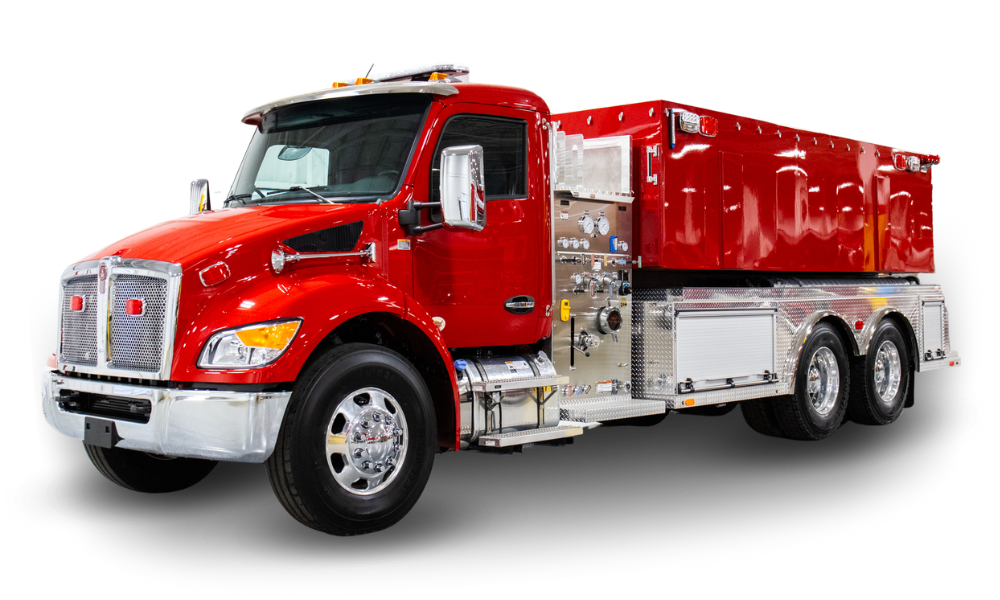
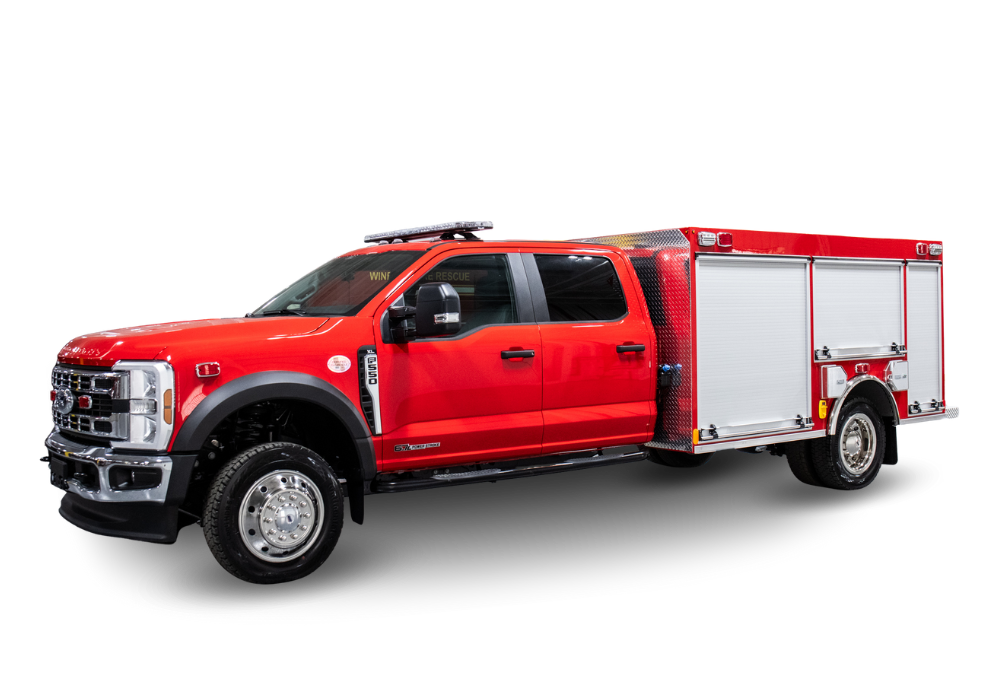
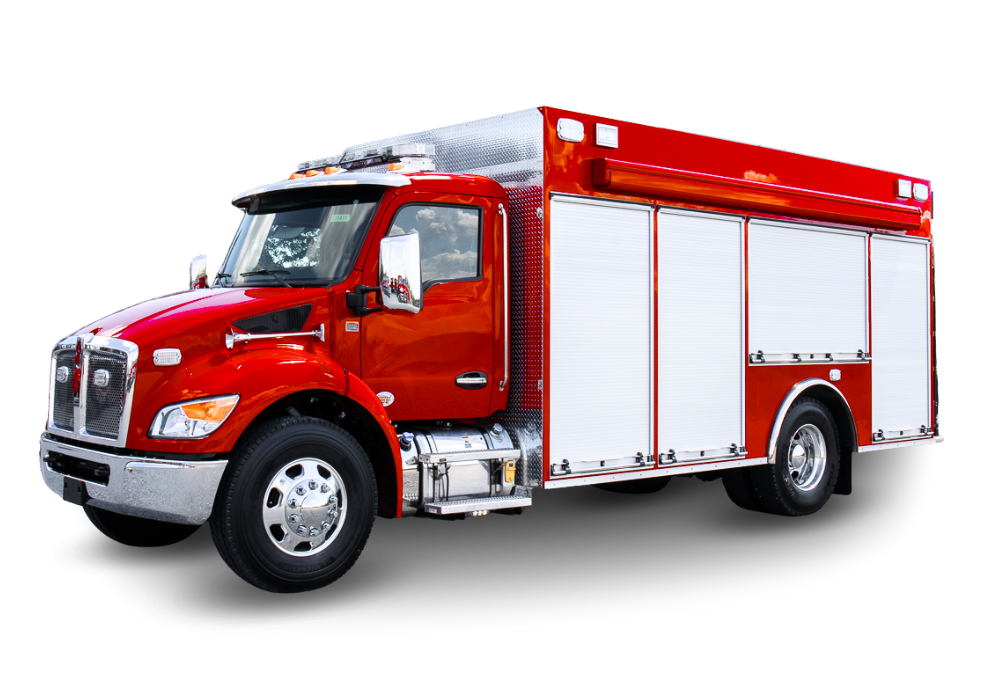
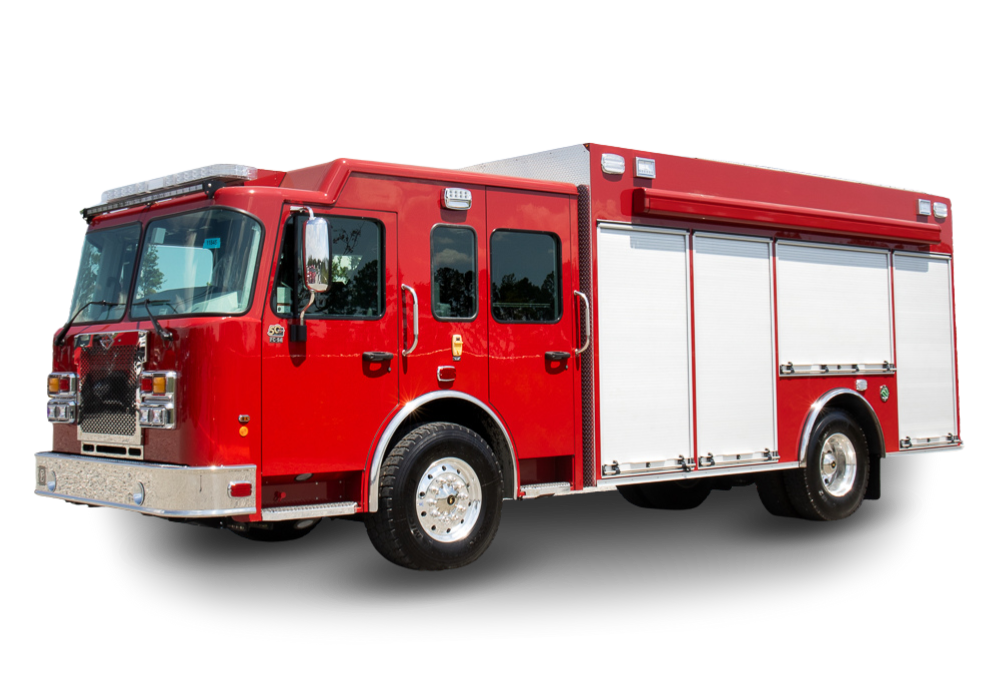
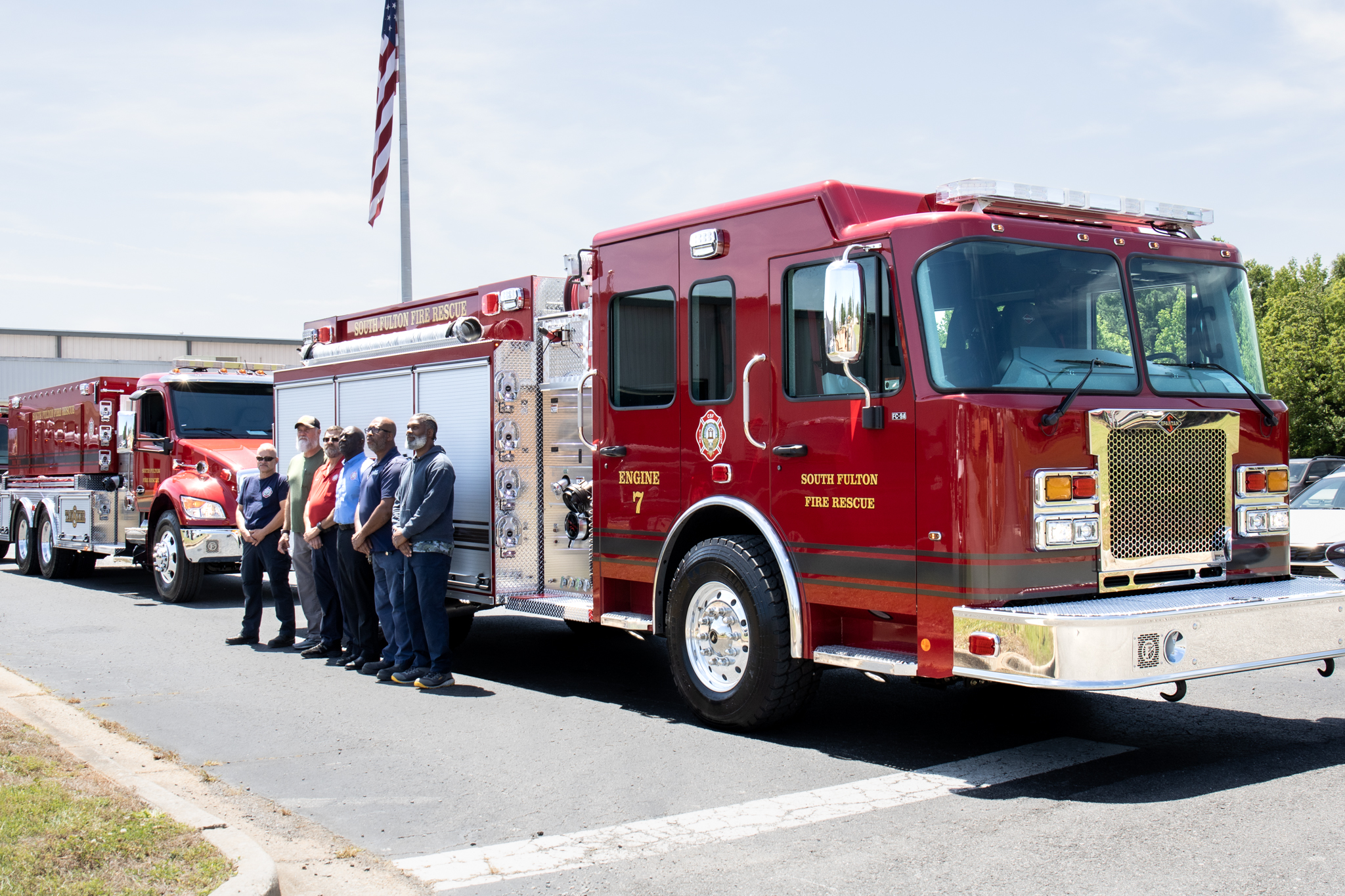
Established in 1952 and proudly family-owned, Fouts Fire is a premier manufacturer of high-quality fire apparatus headquartered in Milledgeville, Georgia. With more than seven decades of industry expertise, we specialize in the design and production of reliable, cost-effective fire apparatus, including pumpers, tankers, and rescue vehicles, engineered to meet the evolving demands of fire departments nationwide.

Our steadfast commitment to innovation, expedited delivery, and exceptional customer service has earned Fouts Fire a respected reputation across the industry. More than just building fire apparatus, we deliver the confidence and readiness that first responders depend on.

Recent Deliveries

Our Process

Step 1

Precision Manufacturing

At Fouts, we don’t just build fire apparatus, we engineer reliability. Our six standard models are designed with the core essentials every fire department needs, eliminating unnecessary complexity and focusing on what matters most: performance, durability, and safety. By standardizing our designs, we ensure every component is precisely manufactured to exacting specifications, delivering consistent quality across every unit.

Step 2

Efficient Assembly

Time is critical, both on the fireground and in the factory. Our streamlined assembly process is built for speed and accuracy. With fewer customizations and a focus on essential features, we reduce production bottlenecks and accelerate build times. Every apparatus is assembled by skilled technicians who understand the mission behind the machine, ensuring your apparatus is ready to serve fast.

Step 3

Seamless Delivery

With one of the largest dealer networks in the country, Fouts ensures your apparatus gets where it needs to be, when you need it. Our nationwide partners provide local support, training, and service, making delivery and deployment smooth and stress-free. From our factory floor to your firehouse, we make sure every step of the journey is seamless.

Blogs

What Are the Ten Standard Firefighting Orders?

At a Glance: The Ten Standard Firefighting Orders are fundamental safety rules that every firefighter must follow during fire operations. These orders form the backbone of firefighter safety protocols and are designed to prevent accidents and save lives.   In the...

Understanding Airport Fire Truck Requirements

At a Glance: Airport fire trucks must meet strict FAA requirements for response times, water capacity, and firefighting foam capabilities. These specialized vehicles, known as Aircraft Rescue and Firefighting (ARFF) vehicles, require specific features based on the...

Wildland Firefighter Training: What Future Firefighters Should Know

At a Glance: Becoming a wildland firefighter requires completing basic firefighter training, passing a physical fitness test, and maintaining specific certifications. Wildland fire training involves both classroom education and hands-on field experience to prepare...

Class B Fires: Risks, Causes, and Prevention Methods

At a Glance: Class B fires occur when flammable liquids or flammable gases like gasoline, oil, paint, or propane become ignited. These fires spread rapidly and require specialized firefighting techniques using foam, dry chemical powder, or carbon dioxide extinguishing...

Understanding Fire Retardant Materials in Modern Firefighting

At a Glance: Fire retardant materials are engineered to slow or stop the spread of flames by disrupting the combustion process. These innovations are used for a variety of firefighting purposes, including aerial wildfire suppression and structural fire protection that...

What is the Fire Tetrahedron and What Do Firefighters Need to Know?

At a Glance: The fire tetrahedron consists of the four elements that are required for fire to exist and continue burning: fuel, heat, oxygen, and the chemical chain reaction. Removing any single element will stop a fire, making the tetrahedron an important part of...

How to Prevent Fire Hose Friction Loss: Essential Strategies for Optimal Water Flow

The Short Answer: You can reduce fire hose friction loss through proper hose selection, maintenance and the ideal deployment techniques. Things such as using the right hose diameter, maintaining clean surfaces and avoiding sharp bends are the main ways to reduce hose...

What Gear Does A Wildland Firefighter Need?

The Short Answer: Wildland firefighters require specialized protective equipment, including fire-resistant clothing, boots, helmets and gloves. This equipment must meet NFPA standards and includes both personal protective equipment (PPE) and hand tools necessary for...

From NFPA 1901 to 1900: A Guide For the New Standard

NFPA 1900 is the new consolidated standard that governs the design, performance and safety of fire apparatus, including pumpers, tankers, aerials, wildland units and rescue vehicles. Introduced on January 1, 2024, it replaces several previous standards, including NFPA...

Types of Fire Hoses and Nozzles: A Complete Guide for Firefighters

Fire hoses and nozzles aren’t just tools — they’re lifelines. Every second matters when you're on a call, and your hose-nozzle setup can mean the difference between a knockdown and a burnout. From house fires to industrial blazes, the right combination delivers the...