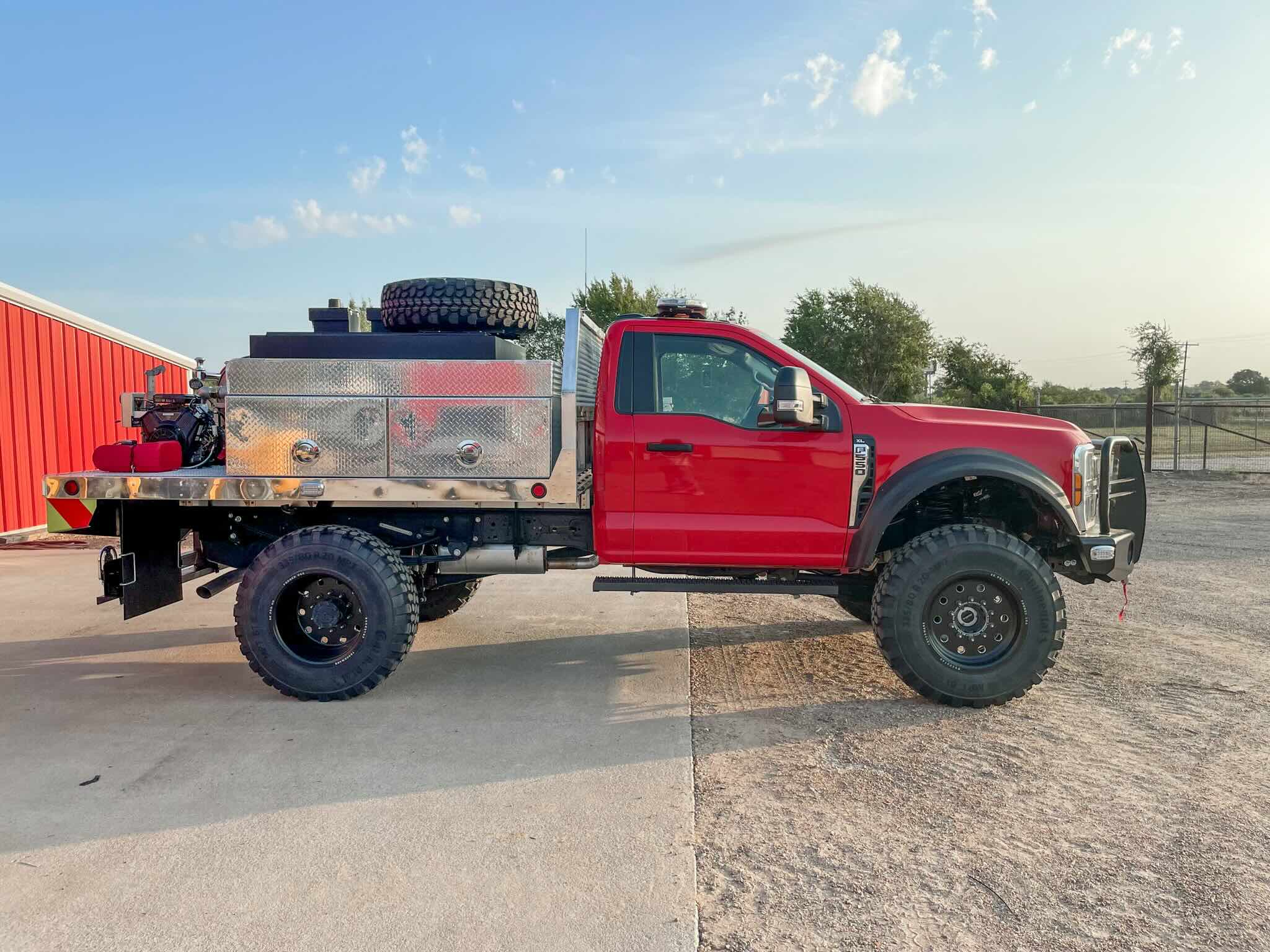
At a Glance: A brush fire truck is a specialized firefighting vehicle designed to combat grass, brush, and wildfires in areas inaccessible to traditional fire engines. Built on 4×4 commercial truck chassis, these vehicles feature off-road capability, water tanks ranging from 50 to 750 gallons, and pump-and-roll functionality that allows firefighters to spray water while the truck is moving.
When wildfires threaten remote areas or brush fires break out in rough terrain, standard fire engines often cannot reach the flames. Narrow roads, uneven ground, and dense vegetation can be difficult for a traditional pumper to navigate. In these situations, having the right firefighting equipment is crucial.
Brush fire trucks, also called wildland engines, are specialized vehicles that combine off-road mobility, water capacity, and firefighting capability in a compact package designed specifically for wildland environments. These vehicles play a critical role for fire departments serving rural communities, wildland-urban interface zones, and regions prone to grass and vegetation fires. Understanding what wildland fire trucks offer helps departments make informed decisions about their apparatus needs and prioritize safety in their communities.
Definition of a Brush Fire Truck
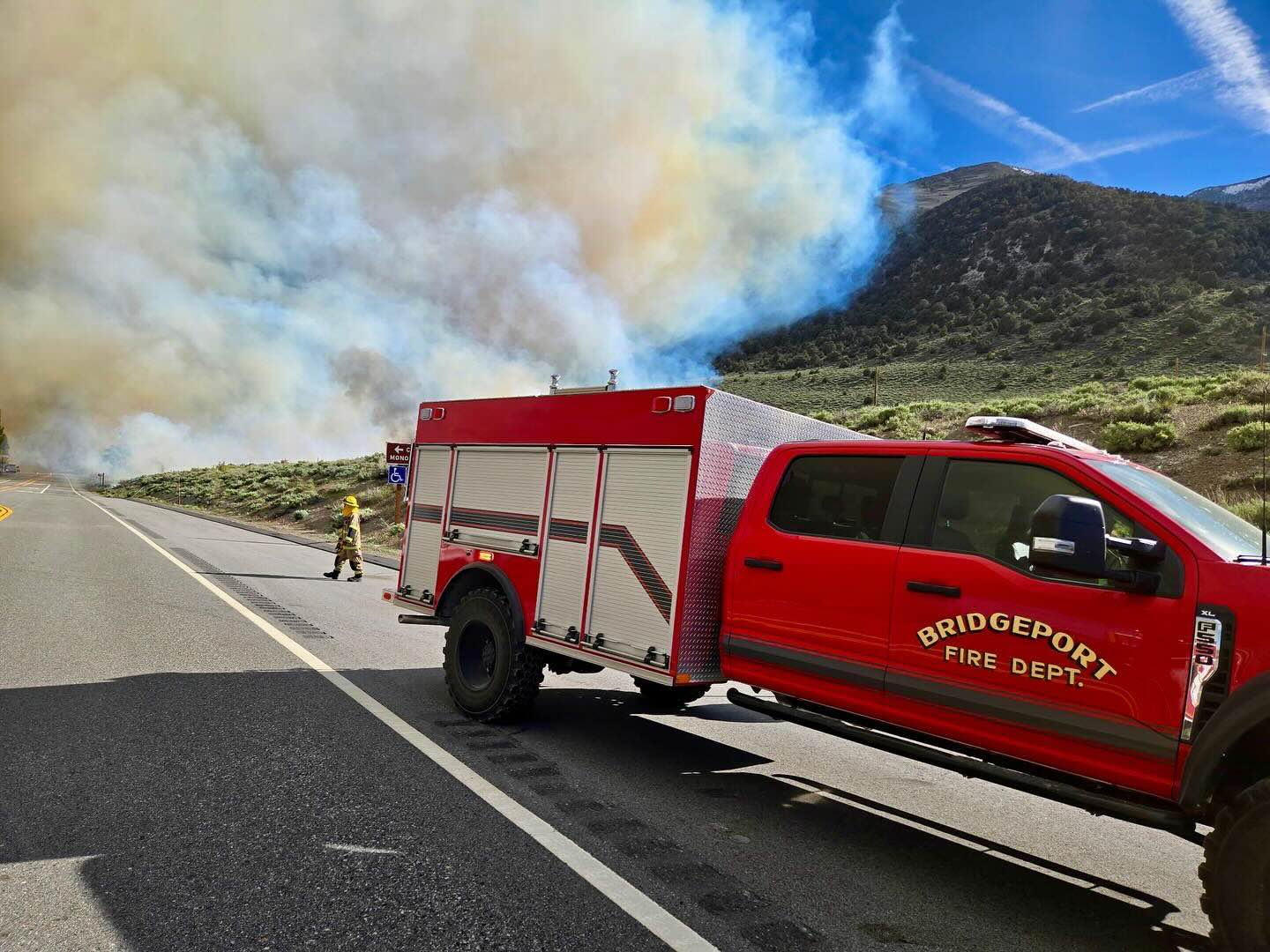
A brush fire truck is a specialized firefighting vehicle designed to combat wildland and vegetation fires in areas inaccessible to traditional fire engines. Built on commercial truck chassis with four-wheel drive capability, these vehicles are smaller and more maneuverable than standard pumpers while still carrying enough water and equipment to mount an effective attack on grass fires, brush fires, and wildfires.
The primary purpose of wildland brush trucks is to access off-road locations and rough terrain that would stop a conventional fire engine. Whether responding to a grass fire in an open field, a brush fire along a rural road, or a wildfire threatening structures in the wildland-urban interface, brush trucks provide the mobility needed to reach the fire and begin suppression operations quickly.
Several characteristics set brush trucks apart from traditional fire apparatus.
- Four-Wheel Drive Capability: Allows for travel on unpaved roads, muddy fields, and uneven terrain
- Higher Ground Clearance: Prevents the undercarriage from catching on rocks, ruts, and vegetation.
- Smaller Water Tanks: Typically ranging from 150 to 500 gallons, small tanks keep weight manageable for off-road performance.
- Pump-and-Roll Features: Capability to pump water and spray fires while the vehicle is still moving.
Types of Brush Fire Trucks
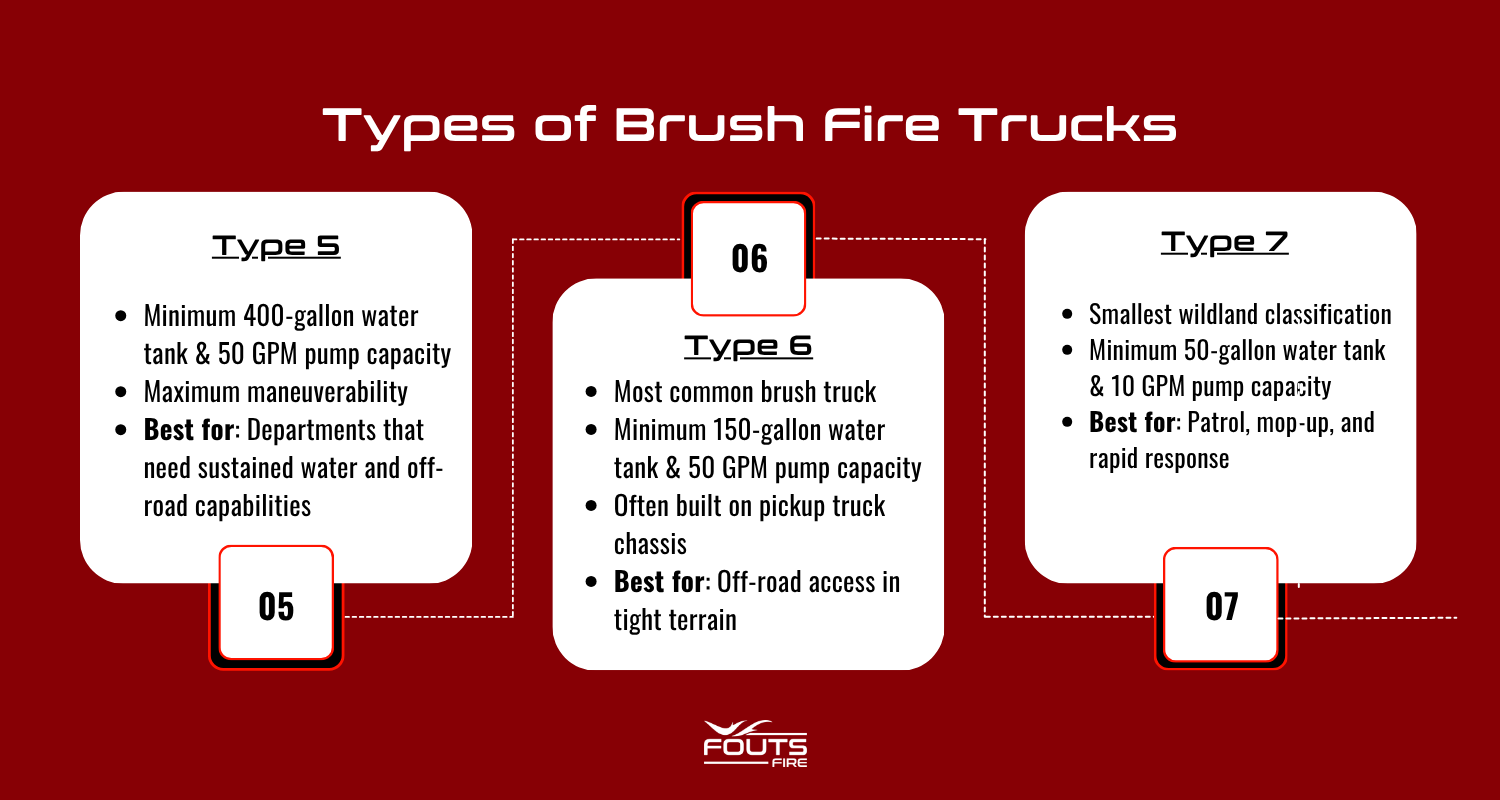
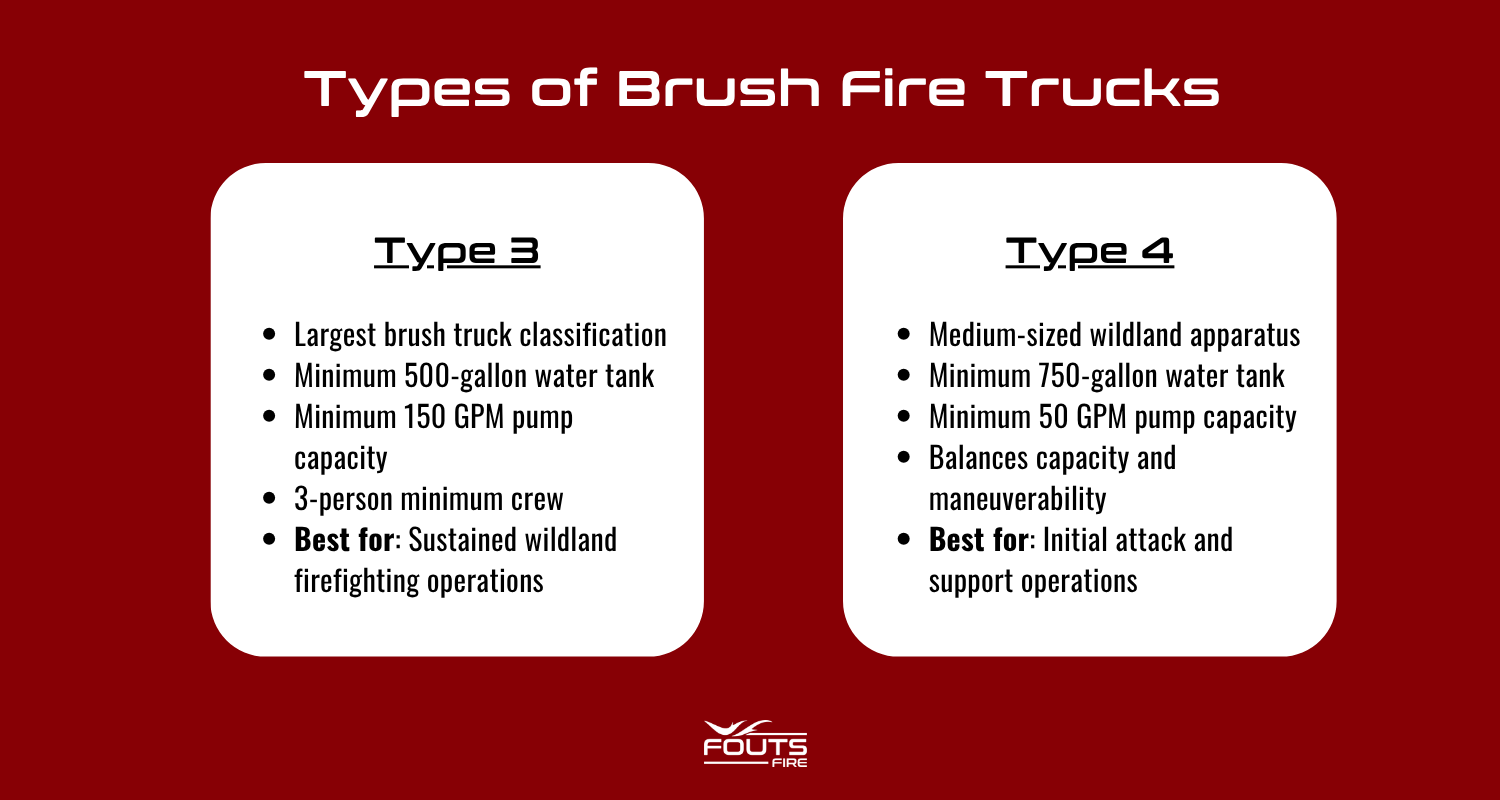
The National Wildfire Coordinating Group (NWCG) classifies wildland fire engines by type, with Type 3 through Type 7 designations indicating different capabilities. Understanding these classifications helps departments select the right vehicle for their response area and operational needs.
Type 3
The largest in the brush truck category, these vehicles carry a minimum 500-gallon water tank and feature a pump capable of at least 150 gallons per minute (GPM). These vehicles require a three-person minimum crew and are designed for sustained wildland firefighting operations where greater water capacity and pump power are needed.
Type 4
These wildland engines fall in the medium range, with a minimum 750-gallon tank and 50 GPM pump capacity. This type balances water capacity with maneuverability for initial attack and support operations.
Type 5
These vehicles carry a minimum 400-gallon water tank with a 50 GPM pump capacity. Type 5 engines offer a practical balance of water capacity and off-road capability for departments that need more sustained firefighting capacity than a Type 6 provides while maintaining better maneuverability than larger Type 3 and Type 4 units.
Type 6
Type 6 wildland engines are the most common brush truck configuration for municipal fire departments. With a minimum 150-gallon water tank and 50 GPM pump capacity, these highly maneuverable vehicles are often built on pickup truck chassis like Ford, Chevrolet, or Dodge platforms. Their compact size allows access to areas larger apparatus cannot reach.
Type 7
These are the smallest wildland apparatus classification, requiring only a 50-gallon minimum tank and 10 GPM pump. These vehicles offer maximum maneuverability for tight terrain and are often used for patrol, mop-up operations, and rapid initial response.
Key Components of a Brush Fire Truck
Chassis & Drivetrain
These form the foundation of any brush truck. Most are built on commercial 4×4 truck chassis from manufacturers like Ford, Chevrolet, and Dodge. Larger Type 3 and Type 4 units may use medium-duty chassis for increased payload capacity. Four-wheel drive with low range capability is standard, along with heavy-duty suspension designed for off-road use. All-terrain or mud-terrain tires provide traction on varied surfaces, while skid plates protect the undercarriage from rocks and debris.
Water Tanks
Brush truck water tanks range from 50 to over 750 gallons depending on the vehicle type. Construction materials include polyethylene, fiberglass, or stainless steel. Internal baffles prevent water from surging while the vehicle is in motion, which could affect handling. Tank shapes are designed to maintain a low center of gravity for stability on uneven terrain, and fill connections allow drafting from ponds, streams, or hydrant supply.
Pumps
The pump system is where brush trucks differ most notably from traditional fire engines. Pump capacity ranges from 10 to 150 GPM, with pumps typically driven by the vehicle’s power take-off (PTO) or an auxiliary engine. The defining feature is pump-and-roll capability, allowing firefighters to spray water while the truck is moving. This mobile approach is particularly effective against fast-moving grass fires. Priming systems enable drafting from natural water sources when hydrants are unavailable.
Hose & Nozzle Equipment
Booster hose reels with 3/4-inch or 1-inch hose provide quick attack capability. Forestry hose, which is lighter and smaller in diameter than structural firefighting hose, allows crews to carry lines into areas vehicles cannot reach. Wildland nozzles are designed specifically for vegetation fires, and some brush trucks feature front bumper turrets for mobile attack operations.
Brush Truck Equipment and Features
Standard equipment on most brush trucks includes:
- A booster hose reel with nozzle
- Forestry hand tools such as Pulaskis, McLeods, shovels, and rakes
- A portable pump for accessing remote water sources
- Chainsaws for clearing vegetation and creating access
- Fire extinguishers
- First aid kits
- Portable radio equipment for crew communication
Optional Equipment & Upgrades
- Front-mounted bumper turrets allow the driver to direct water while navigating terrain
- Compressed air foam systems (CAFS) improve water efficiency and fire knockdown
- Light towers and scene lighting support night operations
- Winches provide self-recovery when vehicles become stuck
- Brush guards and fender protection prevent body damage from vegetation and debris
When Fire Departments Use Brush Trucks
Wildland Fires
The primary mission for brush trucks is to respond to wildland fires. These vehicles provide initial attack on grass and brush fires, working to contain flames before they spread. During larger wildfire incidents, brush trucks support containment and suppression operations, perform mop-up duties after the main fire is controlled, and conduct patrol and fire watch to prevent rekindling.
WUI Zones
In wildland-urban interface (WUI) zones where development meets undeveloped land, brush trucks provide structure protection by creating defensible space around buildings threatened by approaching fires. They support evacuation efforts and work alongside traditional structure engines in mixed environments where both wildland and structural firefighting capabilities are needed.
Rural & Agricultural Fires
Field fires, crop fires, ditch fires, and roadside fires often occur in areas without paved roads or hydrant access. Brush trucks can reach farm properties via unpaved roads and draft water from ponds or other agricultural water sources when municipal supply is unavailable.
Choosing a Brush Truck for Your Department
Before selecting a brush truck, a few important factors should be assessed:
Response Area
- Terrain Types (Flat, Hilly, or Mountainous)
- Vegetation Density
- Road Conditions & Accessibility
- Distance to Water Sources
Operational Needs
- Type 6 units are the most common for municipal departments, offering good maneuverability with adequate water capacity for initial attack.
- Type 7 units suit patrol and rapid response roles.
- Departments with heavy wildland exposure may need Type 3 or 4 units with greater capacity.
Budget Considerations
The cost of a new vehicle depends on the vehicle type, chassis, and equipment. Fouts Fire offers affordable, quality fire apparatus by offering stock units with limited customization options to keep lead times short. Your local dealer can help you find the right apparatus to fit your needs.
Grants from programs like the Assistance to Firefighters Grant (AFG) and state-level funding programs can help offset costs. Departments should also consider total cost of ownership, including fuel, maintenance, and eventual replacement.
Protect Your Community with the Right Apparatus
Brush fire trucks fill a capability gap that traditional fire engines cannot address. For fire departments serving rural areas, wildland-urban interface zones, or any region with significant grass and brush fire risk, a properly equipped brush truck can mean the difference between containing a small fire and watching it grow into a major incident. Evaluate your department’s current wildland response capabilities and consider whether a different apparatus type might enhance your ability to protect your community.
Find High-Quality Fire Apparatus Options with Fouts Fire
At Fouts Fire, we are proud to distribute our standardized fire apparatus models to departments throughout the United States. We offer many different vehicle options, including pumpers, tankers, rescue vehicles, and more to help fire stations find the right vehicle for their needs. Find a Dealer near you or Contact Us to learn more about Fouts Fire.