
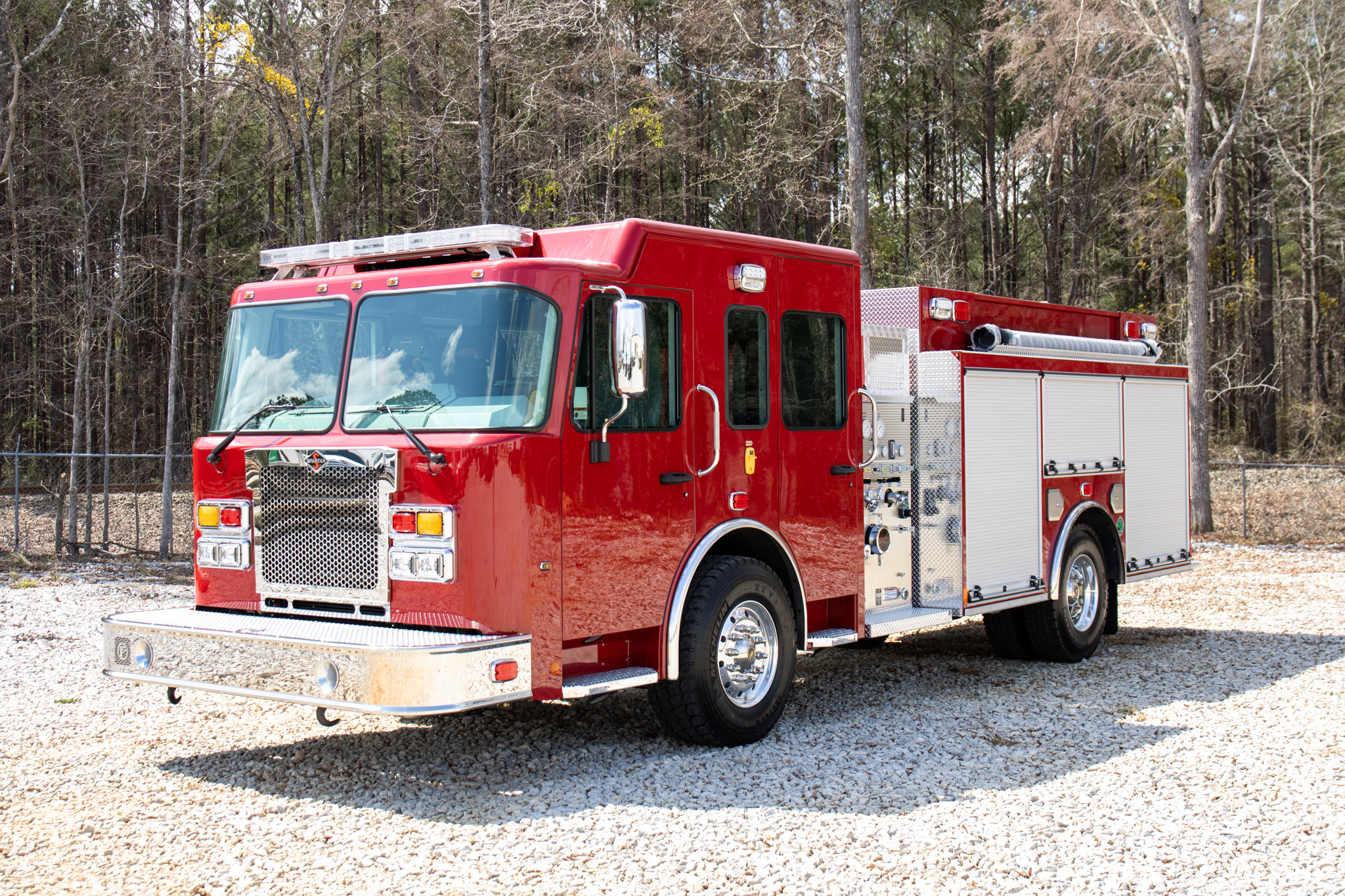
At a Glance: A fire pumper is a type of fire apparatus designed to transport firefighters, equipment, and water while providing the pumping capabilities needed for fire suppression. These versatile vehicles use a fire pump, water supply, hose, and specialized equipment to help crews respond to emergencies such as structure fires, vehicle fires, and technical rescues.
Fire departments rely on different types of apparatus to respond to emergencies, and each vehicle is designed to support specific operational needs. Among the most common and recognizable types of fire apparatus is the fire engine pumper, which combines transportation, water supply, pumping capabilities, and firefighting equipment into one unit.
A fire engine pumper is designed to help firefighters quickly establish a water supply and deliver water through fire hose lines during emergencies. These apparatus are commonly used for structure fires, vehicle fires, rescue calls, and other incidents where fire suppression equipment is needed.
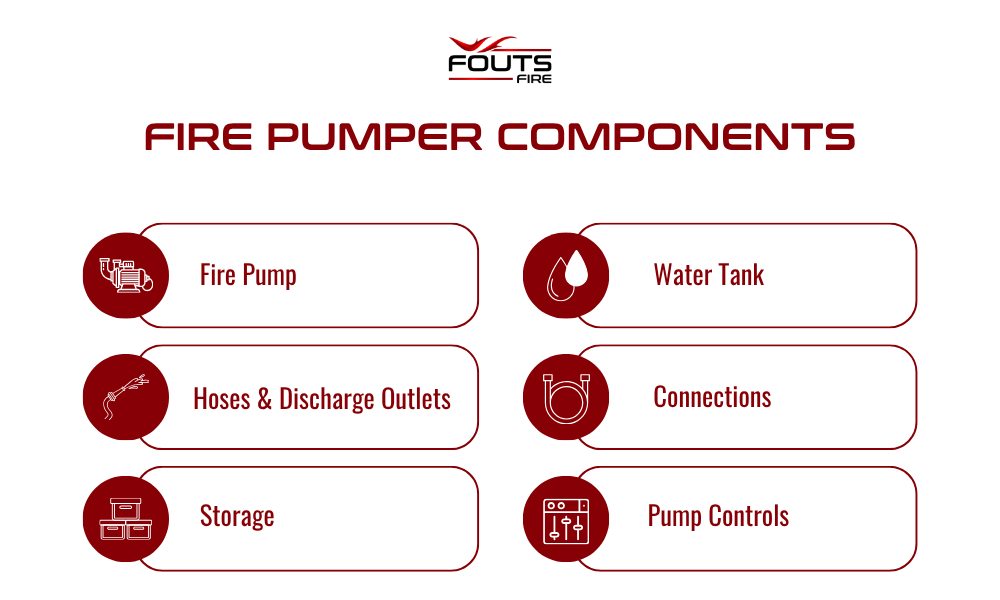
While pumper configurations can vary between departments, most include essential components such as a fire pump, water tank, hose storage, equipment compartments, and pump operator controls. Understanding how a fire engine pumper works, what equipment it carries, and what factors to consider when choosing one can help departments select an apparatus that fits their response needs.
What Is a Fire Pumper?
A fire pumper is a type of fire apparatus designed to transport firefighters and equipment while providing the pumping capability needed for fire suppression. The primary purpose of a pumper is to move water from an onboard tank or external water source, pressurize it through a fire pump, and deliver it through hose lines to fight fires.
Unlike some specialized fire trucks designed primarily for aerial access, rescue operations, or water transport, a pumper focuses on providing a reliable water supply and supporting frontline fire suppression efforts.
A typical fire engine pumper may carry:
- Fire hose
- Water supply equipment
- Portable firefighting tools
- Ladders
- Nozzles
- Medical supplies
- Personal protective equipment
- Rescue equipment
The exact equipment and layout depend on the department’s operational needs. Some departments may configure their apparatus for urban response, while others may prioritize wildland response or specialized rescue capabilities.
The terms “fire engine” and “fire truck” are sometimes used interchangeably, but they can refer to different types of apparatus depending on the department or region. In many cases, a fire engine refers specifically to an apparatus equipped with a pump and water supply. A fire truck may refer more broadly to emergency vehicles with aerial ladders and other added features.
How Does a Pumper Fire Apparatus Work?
A pumper apparatus works by using a built-in fire pump to move and pressurize water for firefighting operations. The apparatus can use water stored in its onboard tank or connect to an outside water source, such as a fire hydrant.
The general process includes:
- The apparatus arrives at the emergency scene.
- Firefighters establish a water supply using the onboard tank, hydrant, or another source.
- Water enters the fire truck pump.
- The pump increases water pressure.
- Water is directed through discharge outlets and fire hoses.
- Firefighters use the hose lines to suppress the fire.
The onboard water tank provides an immediate water source when firefighters first arrive. Once a continuous water supply is established, such as a connection to a hydrant, the pumper can continue supplying water without relying only on the onboard tank.
The pump operator plays an important role during this process. Using the pump panel, the operator monitors water pressure, flow rates, tank levels, and intake pressure to make sure firefighters receive the water supply needed for suppression efforts.
Key Components of a Fire Engine Pumper
A fire engine pumper includes several major components that work together to support emergency response operations.
Fire Pump
The fire pump is one of the most important parts of a pumper apparatus. It moves water from the tank or external source and increases pressure so firefighters can use hose lines effectively.
Pump capacity can vary depending on the apparatus design and department requirements. When selecting a fire pumper, departments typically consider pump specifications based on expected response needs, available water sources, and the types of emergencies they commonly handle.
Water Tank
Many pumper fire trucks include an onboard water tank to provide an immediate supply of water when firefighters arrive at an incident.
The size of a water tank can vary based on the apparatus configuration and department requirements. Urban departments with extensive hydrant systems may have different needs than rural departments operating in areas where water sources are limited.
Hose and Discharge Outlets
A fire hose is one of the most recognizable pieces of fire engine equipment carried on a pumper. Pumpers typically include multiple hose sizes and configurations based on department operations.
Discharge outlets allow firefighters to connect hose lines directly to the apparatus pump. These outlets help control where water is directed and allow crews to quickly deploy a hose during an emergency.
Connections
Connections allow a pumper to draw water from external sources, including:
- Fire hydrants
- Water supply lines
- Portable water sources
These connections help firefighters establish a sustained water supply during longer incidents.
Firefighter and Equipment Storage
In addition to water and hoses, a fire pumper is equipped with storage compartments that are designed to hold a wide range of fire department equipment.
Common stored equipment may include:
- Hand tools
- Nozzles
- Medical supplies
- Breathing equipment
- Rescue tools
- Protective equipment
Compartment layouts can often be customized based on department priorities, allowing crews to organize equipment based on how frequently it is used.
Pump Operator Controls
The pump panel gives the operator control over the fire pump system. It typically includes gauges, valves, and controls used to monitor and adjust water delivery.
Operators use these controls to monitor:
- Pump pressure
- Water flow
- Tank level
- Intake pressure
Proper pump operation is essential for maintaining a consistent water supply during fire suppression.

What Is a Fire Engine Pumper Used For?
Fire engine pumpers support various emergency response situations. While their primary purpose is fire suppression, many departments configure pumpers to handle additional responsibilities.
Structural Fire Suppression
Structural firefighting is one of the most common uses for a pumper truck. The apparatus provides the water supply, hose lines, and equipment needed to support interior and exterior fire operations. Pumpers help crews establish a water supply quickly and maintain water flow throughout the incident.
Vehicle Fires
A fire pumper can respond to vehicle fires using onboard water and firefighting equipment. Because vehicle fires may occur away from hydrants or established water sources, having an onboard tank allows crews to begin suppression immediately.
Wildland and Brush Fires
Some departments use specially configured pumpers or other apparatus designed for wildland fires. These configurations may consider factors such as terrain, water availability, hose requirements, and vehicle size.
Emergency and Rescue Response
Many departments use pumpers to support additional emergency services. Depending on the department, a pumper may carry medical equipment, rescue tools, or other gear used during emergency response.
What Equipment Does a Fire Engine Pumper Carry?
The equipment carried on a pumper fire truck depends on the department, response area, and apparatus configuration. However, many pumpers include a combination of firefighting, rescue, and emergency response equipment.
Common examples include:
- Fire hose
- Nozzles
- Ladders
- Hand tools
- Portable lighting
- Medical supplies
- Rescue equipment
- Personal protective equipment
Departments typically organize equipment based on accessibility and response priorities. Frequently used tools are often stored where firefighters can quickly access them when arriving at an emergency.
How Much Water Does a Pumper Fire Truck Carry?
The amount of water a pumper fire truck carries depends on the apparatus design and department requirements. There is no single standard tank size that applies to every pumper.
Factors that influence water tank capacity include:
- Department response needs
- Available water supply
- Apparatus size
- Intended application
- Weight limitations
Departments with reliable municipal water systems may prioritize other apparatus features, while rural departments may require larger water capacities because hydrants or other water sources may not be immediately available.
What Should Fire Departments Consider When Choosing a Pumper?
Selecting a fire engine pumper requires balancing performance, equipment needs, operational requirements, and budget.
Pump Capacity
Departments should consider the water flow requirements for their typical calls. Pump specifications should match the department’s expected applications and firefighting strategies.
Water Tank Capacity
Water tank requirements depend on the department’s service area and available water infrastructure. Rural and urban departments may have different priorities when selecting a water tank fire truck configuration.
Equipment Storage
Storage space and compartment layout are important considerations. Departments should evaluate whether the apparatus can carry the equipment that crews regularly use and whether that equipment can be accessed quickly.
Apparatus Size and Maneuverability
The size of a pumper affects where it can operate. Departments should consider station space, road conditions, response areas, and access limitations. The right size depends on the department’s specific needs.
Maintenance and Lifecycle Costs
The initial purchase price is only one part of owning a fire apparatus. Departments should also consider maintenance requirements, service availability, replacement parts, and long-term operating costs.
Choosing the Right Fire Engine Pumper
A fire engine pumper is a versatile piece of fire apparatus that combines transportation, water storage, pumping capability, and firefighting equipment into one platform. Because every department has different response needs, pumper configurations can vary significantly.
When evaluating a pumper truck, departments should consider:
- Pump capacity
- Water tank size
- Equipment storage
- Apparatus dimensions
- Maintenance requirements
- Long-term ownership costs
The right fire engine pumper should support the department’s operational goals while providing firefighters with reliable equipment when responding to emergencies.
Explore Pumpers and More Apparatus Models with Fouts Fire
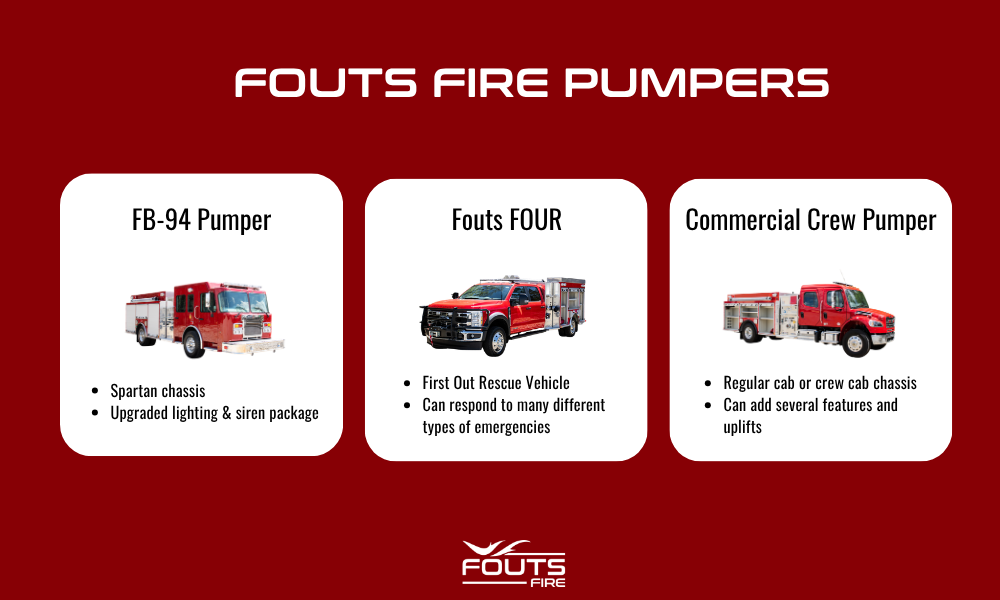
As an industry leader throughout North America, Fouts Fire produces a standard line of high-quality fire apparatus that offers the durability and efficiency that departments need to protect their communities. There are multiple pumper models available so departments can find the right fit:
FB-94 Pumper
The FB-94 Pumper is a custom cab pumper designed to provide fire departments with a balance of performance, storage, and value. Built on the Spartan FC-94 chassis, this apparatus features a low-hose bed design that improves accessibility while helping crews quickly deploy equipment during emergency response.
Fouts FOUR
The Fouts FOUR is a versatile First Out Utility Rescue truck designed to support the changing needs of modern fire departments. Built with a lightweight aluminum body, the Fouts FOUR provides space for a wide range of rescue tools and can handle a variety of responses, including medical emergencies, technical rescues, and fire suppression calls. It’s a flexible option for departments looking for a multipurpose emergency vehicle.
Commercial Crew Pumper
The Fouts Commercial Crew Pumper is built to provide the essential features departments need from a commercial pumper apparatus. Available on a Freightliner M2 106 chassis with regular cab or crew cab configurations, this pumper combines reliable performance with practical firefighting capabilities.
Fouts Fire delivers pumpers, tankers, and rescue trucks to fire departments throughout the United States. Our extensive dealer network and efficient manufacturing methods allow us to offer fast and dependable delivery times. Explore our apparatus models or Find a Dealer near you to get started today!