At a Glance: A Class A fire rating is the highest fire resistance rating for building materials. Class A materials resist ignition and limit flame spread under severe conditions. Most commonly applied to roofing, Class A-rated materials include metal, asphalt shingles, clay and concrete tiles, and slate.
The term “Class A” comes up often in fire safety discussions, but it can mean very different things depending on the context. Homeowners may hear it when choosing roofing materials. Builders see it referenced in building codes. Firefighters use the same letter to describe fire types and extinguishers. This overlap creates confusion, especially for people trying to make informed decisions about safety and construction.
For building materials, a Class A fire rating is the highest rating for resistance to flame spread and fire exposure. Materials with this rating perform best when exposed to external fire threats such as embers, flames, and radiant heat. The rating is most commonly associated with roofing systems, though it applies to other building components as well. Understanding what a Class A fire rating actually means is important for homeowners, contractors, insurers, and communities, particularly in fire-prone areas.
Understanding Fire Rating Systems
Clarifying “Class A” Terminology
One of the biggest sources of confusion is that the term “Class A” appears in multiple fire safety systems.
- Class A Fire Rating: Refers to how well construction materials resist fire exposure.
- Class A Fires: Describe fires involving ordinary combustibles like wood, paper, and cloth.
- Class A Fire Extinguishers: Designed to suppress ordinary combustible fires.
Each system uses the same letter but serves a completely different purpose. When evaluating roofing, siding, or structural components, the Class A designation refers to fire resistance, not fire type or extinguishing capability.
Fire Resistance vs. Fire Classification
Fire resistance measures how a material performs when exposed to fire. It evaluates flame spread, heat penetration, and resistance over time. Fire classification, on the other hand, categorizes fires based on fuel source.
Both systems are important. Fire resistance helps prevent or slow fire spread, while fire classification guides suppression tactics. Confusing the two can lead to misunderstandings about what materials can and cannot do during a fire.
Who Establishes Fire Ratings?
In the United States, fire ratings are established through safety standards and enforced through building codes. Key organizations include:
- Underwriters Laboratories (UL)
- ASTM International
- International Code Council (ICC)
- State and local building code authorities
- The insurance industry, which influences standards through underwriting requirements
These groups define fire resistance ratings, testing methods, and code compliance requirements.
What Class A Fire Rating Means for Building Materials
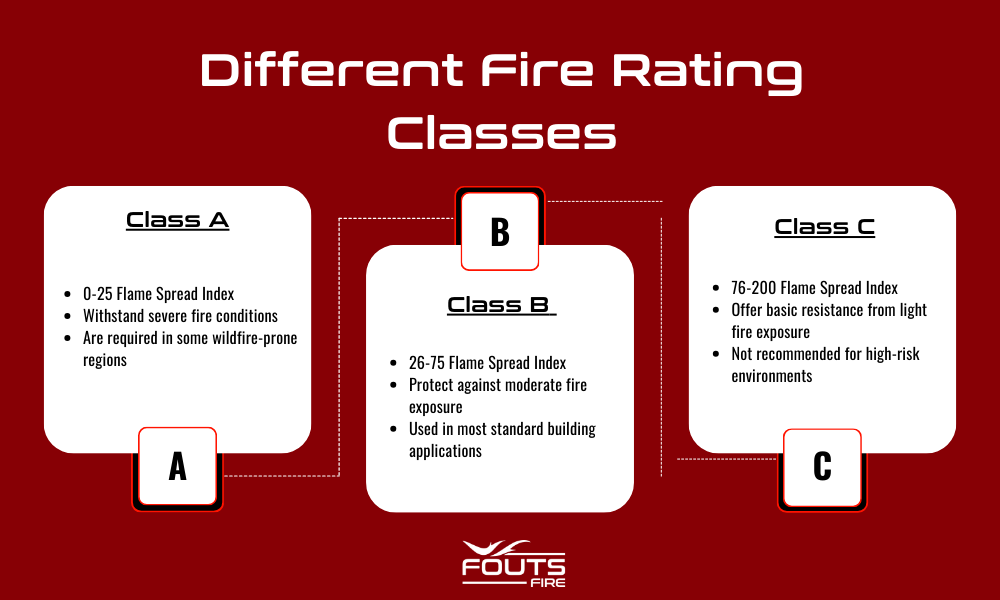
Building materials are generally categorized into one of three fire rating classifications:
Class A
Class A materials offer the greatest resistance to fire exposure. They are designed to withstand severe fire conditions, including fires originating outside the structure. These materials exhibit minimal flame spread, typically scoring 0–25 on the Flame Spread Index. They provide the highest level of protection available and are often required in wildfire-prone regions.
Class B
Class B materials provide protection against moderate fire exposure. Flame spread is greater than Class A but still controlled, typically 26–75 on the Flame Spread Index. These materials may resist fire for one to two hours under test conditions and are acceptable in many standard building applications.
Class C
Class C materials offer basic fire resistance and are intended to withstand light fire exposure. Flame spread ranges from 76–200 on the Flame Spread Index. While they meet minimum code requirements in some areas, they are not recommended for high-risk environments.
Unrated Materials
Unrated materials do not have fire resistance certification. They may fail to meet building code requirements and often result in higher insurance costs or coverage limitations.
How Fire Ratings Are Determined
The fire rating classification system is established through rigorous testing. To be considered Class A, materials should pass these tests:
- ASTM E84 (Steiner Tunnel Test): Measures Flame Spread Index and Smoke Developed Index
- ASTM E108: Used to evaluate the flame spread, flame resistance, and durability of roof coverings.
Tests are conducted under controlled conditions that include wind, slope, and temperature variables. A material must pass all three tests to receive a Class A rating. Ongoing quality control and retesting ensure consistency.
What Class A Rating Guarantees
A Class A rating indicates that, under test conditions, the material resists ignition from external fire sources, limits flame spread, and delays fire penetration into interior spaces. It also offers protection against flying embers and firebrands.
It does not mean the material is fireproof or immune to damage. Fire resistance is time-limited and depends on proper installation and maintenance.
Materials That Achieve Class A Fire Ratings
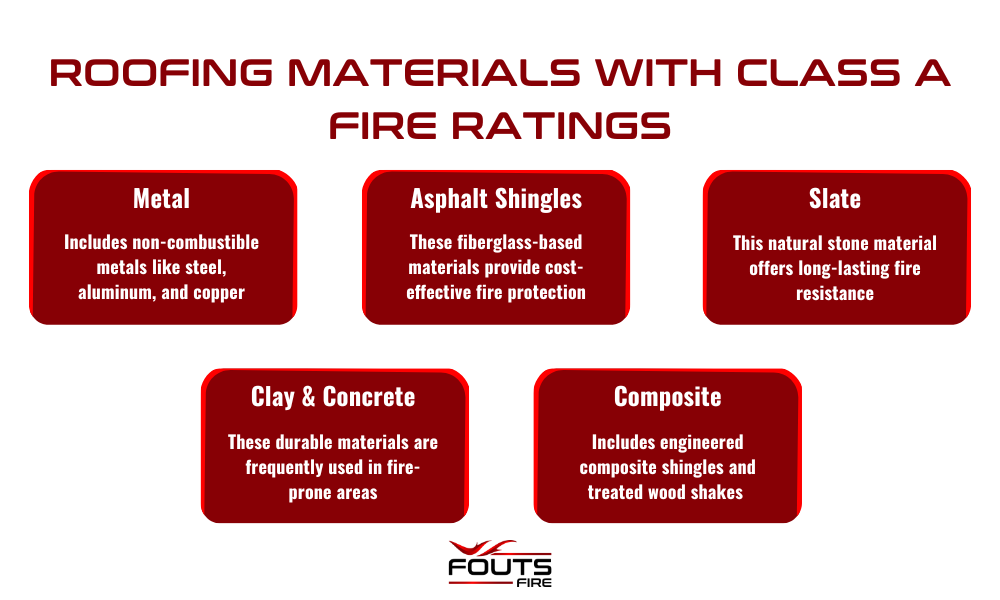
Roofing Materials with Class A Ratings
- Metal Roofs: Steel, aluminum, and copper are non-combustible and naturally achieve Class A ratings without chemical treatments. Metal roofing provides long-term fire resistance and performs well in wildfire conditions.
- Asphalt Shingles: Fiberglass-based asphalt shingles with fire-retardant components are among the most common Class A roofing materials. They provide cost-effective fire protection and are widely available.
- Clay and Concrete Tile Roofs: A roofing system built with these non-combustible materials is inherently Class A rated. They are durable and commonly used in fire-prone regions.
- Slate Roofs: Slate is a natural stone and automatically qualifies as Class A. It offers exceptional fire resistance and longevity.
- Composite and Specialty Roofs: Some additional materials, including engineered composite shingles and treated wood shakes, achieve Class A ratings. Performance varies by manufacturer and installation system, so verification is important.
Other Building Materials with Class A Ratings
- Exterior Materials: Fiber cement siding, brick, stone veneer, stucco, and metal siding often meet Class A standards.
- Interior Materials: Fire-rated drywall, treated wood products, certain insulation types, and fire-rated ceiling tiles contribute to overall fire resistance.
- Structural Components: Fire-rated doors, fire-resistant glass, steel framing, and treated lumber improve structural performance during fires.
Factors Affecting Ratings
Proper installation is critical. Underlayment, fasteners, and substrate materials all influence fire performance. Climate, aging, and lack of maintenance can reduce effectiveness over time.
Where Class A Fire Ratings Are Recommended
Geographic Requirements
- Wildfire-Prone Areas: Class A roofing is required in many Wildland-Urban Interface zones, including California and other western states.
- Urban Areas: High-density developments often require Class A materials to reduce structure-to-structure fire spread.
- Hurricane and Coastal Zones: While wind resistance is the primary concern, fire ratings can be included in combined code requirements.
Building Type Requirements
Multi-family housing, commercial buildings, schools, and high-rise structures frequently use Class A materials. Historic buildings may have exemptions, though upgrades are often encouraged.
Insurance and Lending Requirements
Many insurance companies offer lower premiums for Class A roofs. In high-risk areas, coverage may be unavailable without proper ratings. Mortgage lenders may also require documentation.
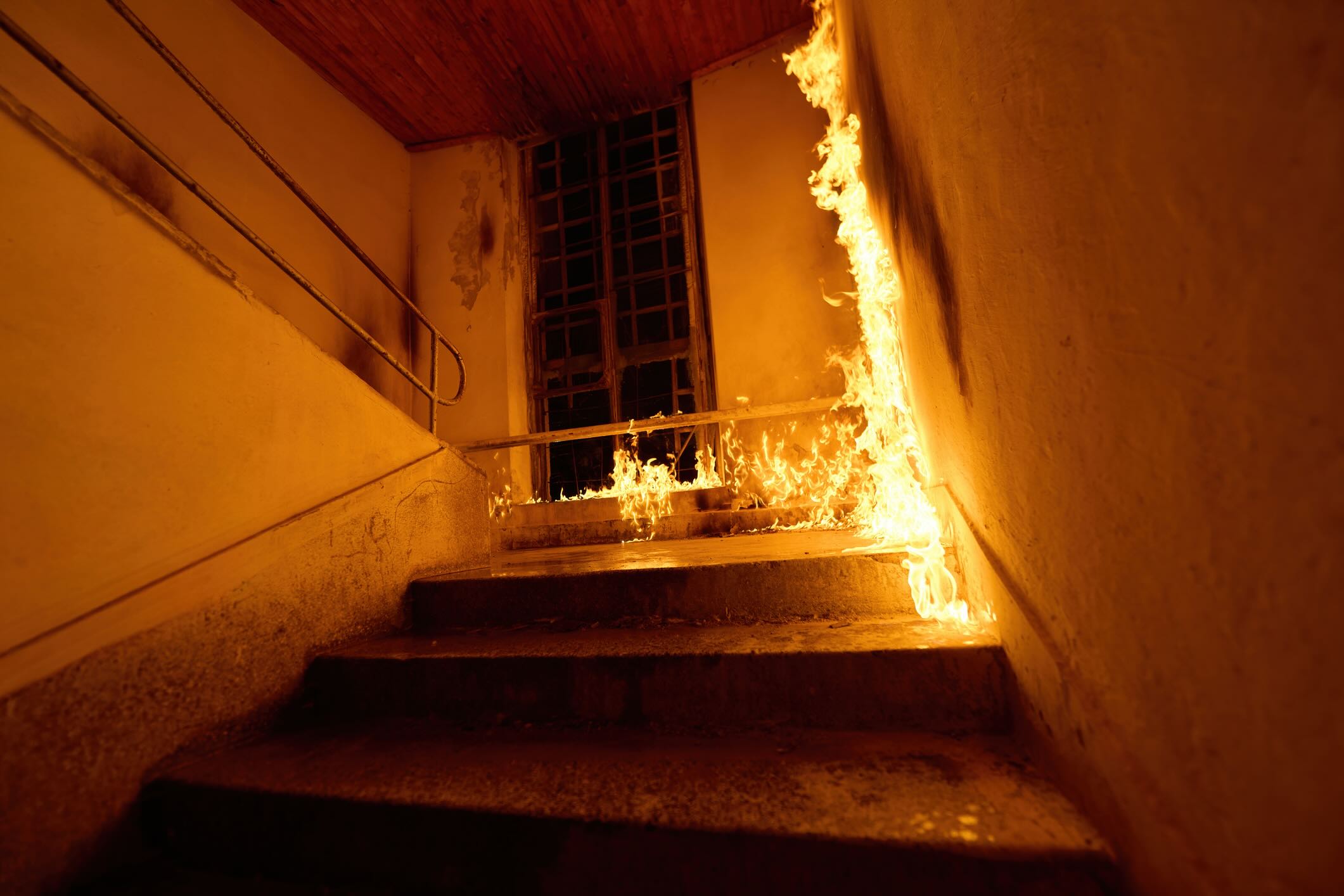
Benefits of Class A Fire-Rated Materials
Safety Benefits
Class A materials slow fire spread, provide more escape time, and reduce the likelihood of total loss. They protect occupants, possessions, and neighboring structures.
Financial Benefits
Homeowners may see insurance savings on metal and clay roofs, which are very durable. Fire-rated materials can also improve resale value, reduce post-fire repair costs, and may qualify for incentives.
Community Benefits
Widespread use of Class A materials lowers overall fire risk, supports fire suppression efforts, and contributes to safer communities.
Why Fire Ratings Matter to Firefighters
Critical Information for Emergency Response
Fire ratings help firefighters predict fire behavior and make tactical decisions. They influence entry strategies, apparatus placement, and resource deployment.
Firefighter Safety Considerations
Class A materials provide a longer window before roof failure and allow more predictable interior operations. This reduces risk during search, rescue, and suppression.
Pre-Fire Planning and Assessment
Fire departments document construction materials during inspections. This data informs response planning, staffing levels, and mutual aid needs.
Limitations and Misconceptions
- If a material has a Class A rating, it does not mean that it is fireproof. It does not prevent interior fires or eliminate fire damage. Protection is time-limited and dependent on proper installation.
- Not all Class A materials perform identically. Ratings can degrade over time, and installation quality matters. Fire resistance applies to more than roofing alone.
- Improper installation, weather damage, aging materials, and non-rated components can all reduce fire performance.
A Class A fire rating represents the highest level of fire resistance for building materials. Most commonly applied to roofing, it also extends to siding, structural components, and interior materials. While not fireproof, Class A materials significantly improve safety, insurability, and firefighter effectiveness.
How Fire Departments Can Protect Their Communities with Fouts Fire Apparatus
By offering pumpers, tankers, rescue trucks, and other standardized fire apparatus models, Fouts Fire provides fire departments with the equipment they need to protect their communities from many different emergencies. Find a Dealer in the United States or Canada to learn more about what Fouts can do for your fire department.