
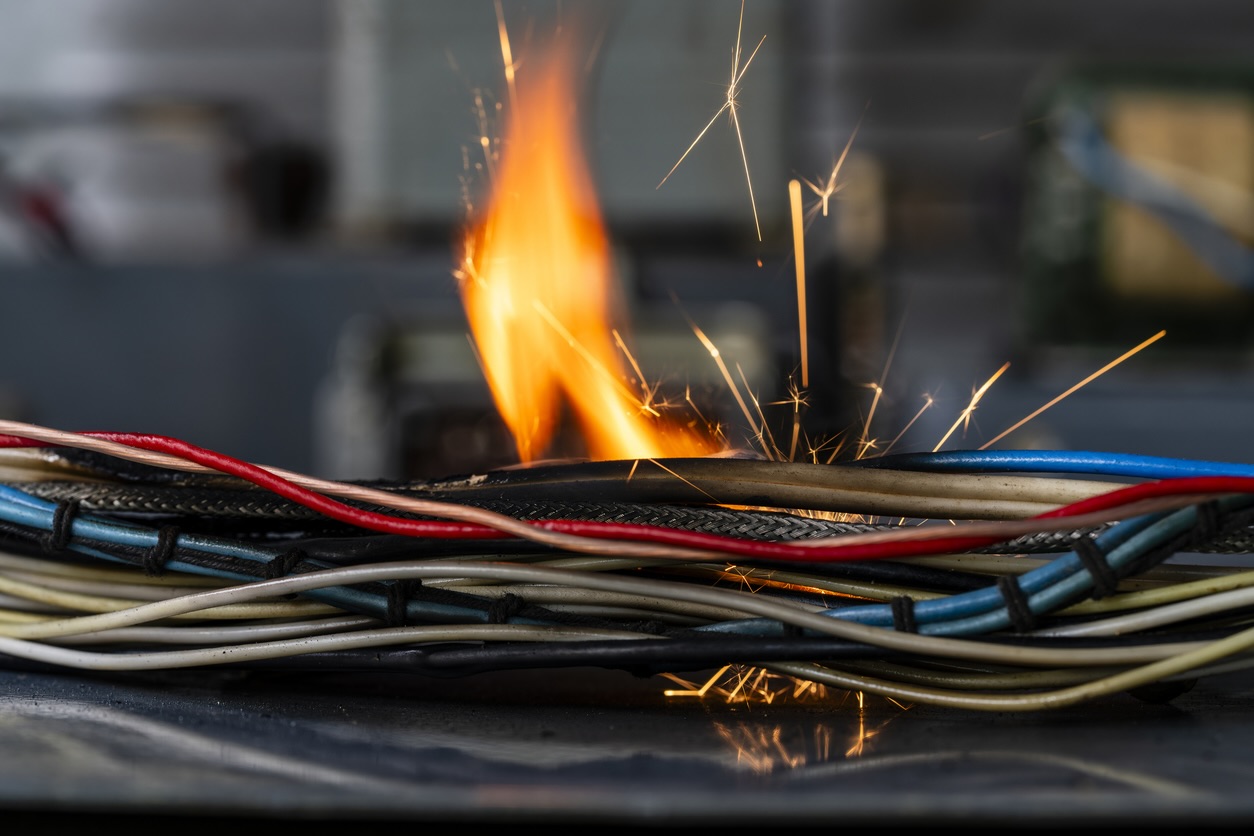
At a Glance: Electrical fires involving energized equipment require Class C or ABC fire extinguishers and should never be fought with water, which creates severe electrocution risks. If safe to reach, cut power at the circuit breaker before fighting the fire; then use the PASS technique (Pull, Aim, Squeeze, Sweep) while maintaining a 6-10 foot distance from flames. Always call 911 first, and evacuate immediately if the fire is larger than a small trash can, spreading rapidly, filling the room with smoke, or if you lack proper firefighting equipment.
Electrical fires are some of the most dangerous and unpredictable fire hazards in homes and workplaces. These fires happen when electrical equipment, wiring, or appliances malfunction, creating flames that are energized by electricity. According to the National Fire Protection Association, electrical failures or malfunctions cause an estimated 13% of residential fires every year.
What makes electrical fires so dangerous is their unique threats. The presence of electricity creates electrocution risks for anyone attempting to fight the fire, and the flames can travel through wiring systems behind walls and ceilings where they remain invisible until significant damage occurs. Traditional firefighting methods that work on other fire types, particularly water, can become deadly weapons when applied to electrical fires.
Knowing proper response procedures for electrical fires can mean the difference between a minor incident and a catastrophic loss. However, understanding when to fight a fire versus when to evacuate immediately is the most critical decision you’ll make.
Understanding Electrical Fires
What Makes Electrical Fires Different
Electrical fires fall under the Class C fire classification, specifically designating fires involving energized electrical equipment. This classification exists because electricity fundamentally changes how fires must be fought. The electrical current flowing through burning equipment creates a constant risk of electrocution for anyone nearby. Water and foam extinguishers that work effectively on other fires become dangerous conductors of electricity.
Electrical fires can also spread flames through electrical wiring behind walls and above ceilings, traveling to distant locations before becoming visible. This hidden fire travel makes electrical fires particularly difficult to fully extinguish and easy to re-ignite.
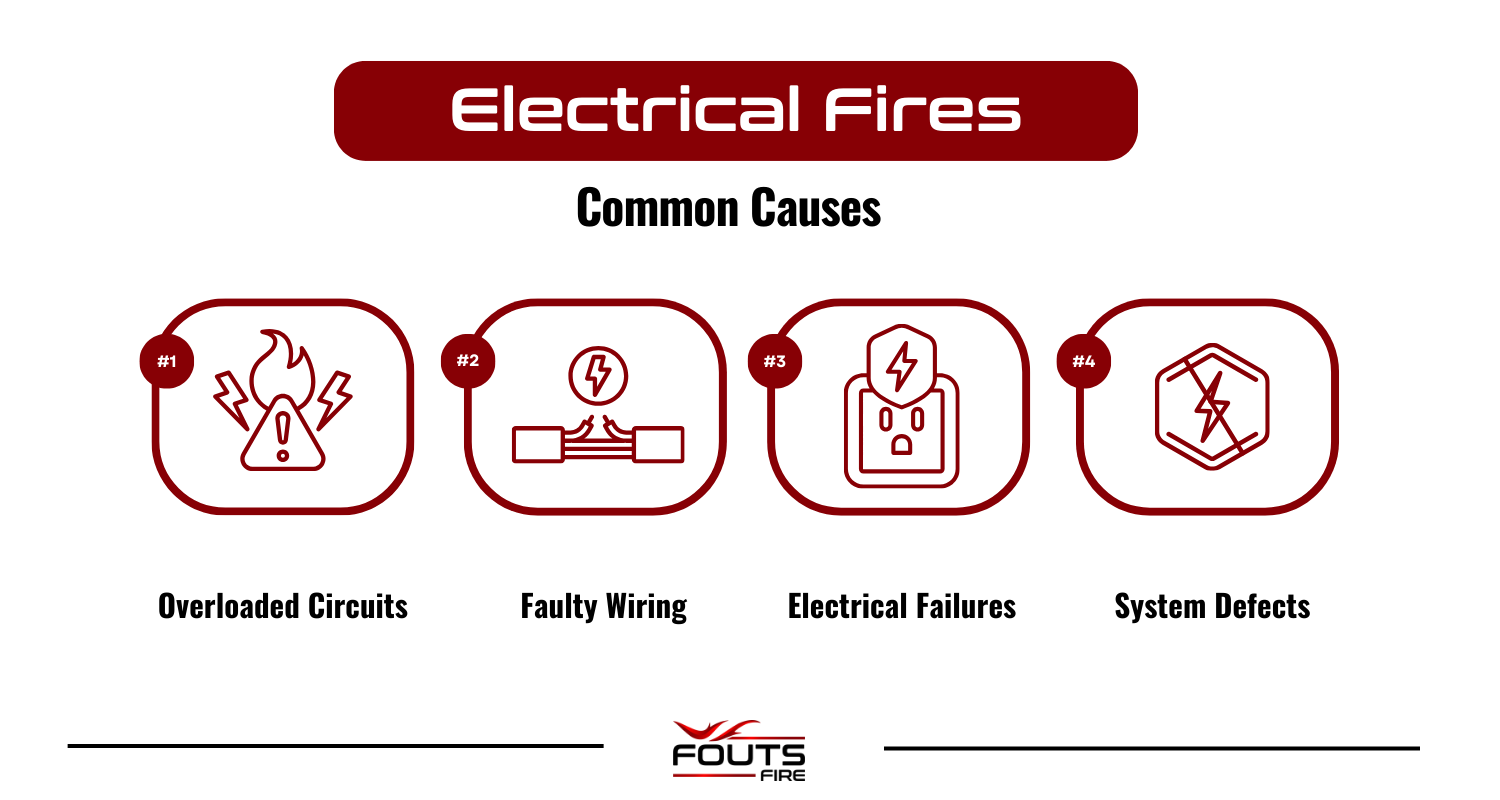
Common Causes of Electrical Fires
Understanding causes helps identify risks in your environment.
- Overloaded Circuits & Outlets: These occur when too many devices draw power from a single source, generating excessive heat that ignites a fire.
- Faulty or Damaged Wiring: Age, rodent damage, or improper installation creates shorts and arcing that produce intense heat.
- Malfunctioning Appliances: Internal electrical failures can overheat and catch fire.
- Extension Cord Misuse: This includes overloading, using damaged cords, or running cords under rugs.
- Electrical System Defects: These can be caused by outdated wiring, improper installations, or code violations.
Warning Signs Before Fires Start
Recognizing warning signs allows intervention before fires develop.
- Burning smells near outlets or appliances indicate overheating or melting insulation.
- Flickering lights and power fluctuations suggest loose connections or overloaded circuits.
- Discolored outlets or switch plates show heat damage from poor connections.
- Sparking or buzzing sounds indicate dangerous arcing.
- Warm outlets or electrical panels signal abnormal heat buildup.
- Frequently tripping circuit breakers indicate overloaded circuits or short circuits.
Immediate Safety Assessment
Evaluating the Situation
When discovering a potential electrical fire, quickly assess the situation.
- Fire Size: Is the fire contained to a small area or spreading?
- Location & Accessibility: Can you reach the fire safely, or do obstacles block access?
- Hazardous Materials: Check for accelerants that could cause explosions or toxic smoke.
- Evacuation Needs: Count the number of people present and identify all evacuation routes.
- Power Disconnection: Determine whether electrical power can be safely disconnected without entering the fire area.
When to Evacuate Immediately
Evacuate without attempting to fight the fire if:
- The fire is larger than a small trash can.
- The fire is spreading rapidly, indicating loss of control.
- Smoke fills the room and compromises visibility and breathability.
- You don’t have proper firefighting equipment rated for electrical fires.
- You’re unsure what caused the fire
- The fire blocks visible escape routes.
When Fighting May Be Appropriate
Consider fighting the fire only when:
- The fire is very small and contained.
- A proper fire extinguisher is available and accessible.
- You have prior training in extinguisher use.
- Smoke levels are minimal, allowing you to see and breathe clearly.
- A clear escape route is always available behind you.
- You feel confident and safe—if your instincts say to leave, evacuate right away.
Always call emergency services first, even for fires you believe you can handle. Fires can escalate rapidly, and professionals need time to respond. Provide clear location details and describe the situation, including that it’s an electrical fire.
Steps to Extinguish an Electrical Fire
Step 1: Cut the Power Source
If you can safely reach the circuit breaker or fuse box, turn off power to the affected circuit or the entire system. Only attempt this if the breaker box is immediately accessible and away from smoke and flames. Once power is cut, the fire technically becomes a Class A fire involving ordinary combustibles, making it safer to fight.
Never touch the appliance or electrical source directly, since you could be electrocuted even if you don’t see flames. If you cannot safely reach the breaker, skip this step and proceed to using an extinguisher on the energized fire.
Step 2: Select the Proper Fire Extinguisher
Use only fire extinguishers rated for Class C (electrical) fires. ABC multipurpose extinguishers are most common in homes and businesses, covering ordinary combustibles (A), flammable liquids (B), and electrical fires (C).
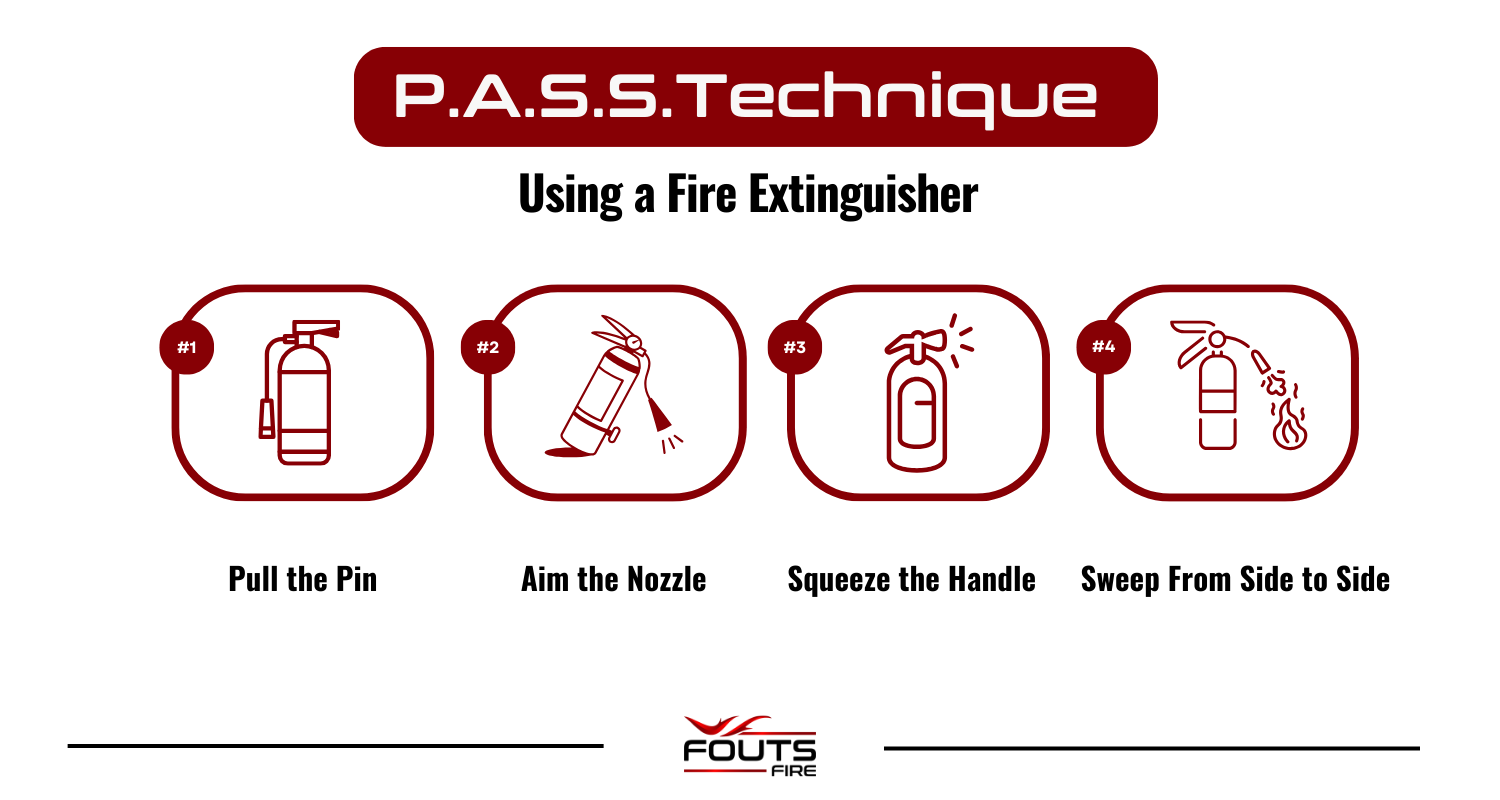
Step 3: Use the PASS Technique
- Pull the pin, which breaks the tamper seal and allows operation.
- Aim the nozzle at the base of the flames, not at the smoke or flames themselves—attacking the fire’s base cuts off its fuel source.
- Squeeze the handle fully and steadily to discharge the extinguishing agent.
- Sweep from side to side at the fire’s base in a steady motion.
Maintain a safe distance of 6-10 feet and continue the sweeping motion until flames are completely extinguished.
Step 4: Monitor for Re-ignition
- After flames disappear, watch the area carefully for several minutes. Electrical fires frequently reignite if power remains on or if hidden hot spots continue smoldering.
- Check for smoldering materials behind the visible fire area.
- Be alert for continued smoke, heat, or burning smell—these could be signs that the fire is continuing behind walls or in concealed spaces.
- Many fires reignite minutes after appearing extinguished, so don’t leave the area unattended too quickly.
Step 5: Ventilate the Area
Once you’re sure the fire is completely out and won’t reignite, open windows and doors to ventilate. Use fans to clear smoke after ensuring no re-ignition risk exists. Avoid inhaling smoke or fumes, which contain toxic chemicals from burning plastics and other combustible materials. Consider evacuating until the air clears if smoke remains heavy—smoke inhalation causes more fire-related deaths than burns.
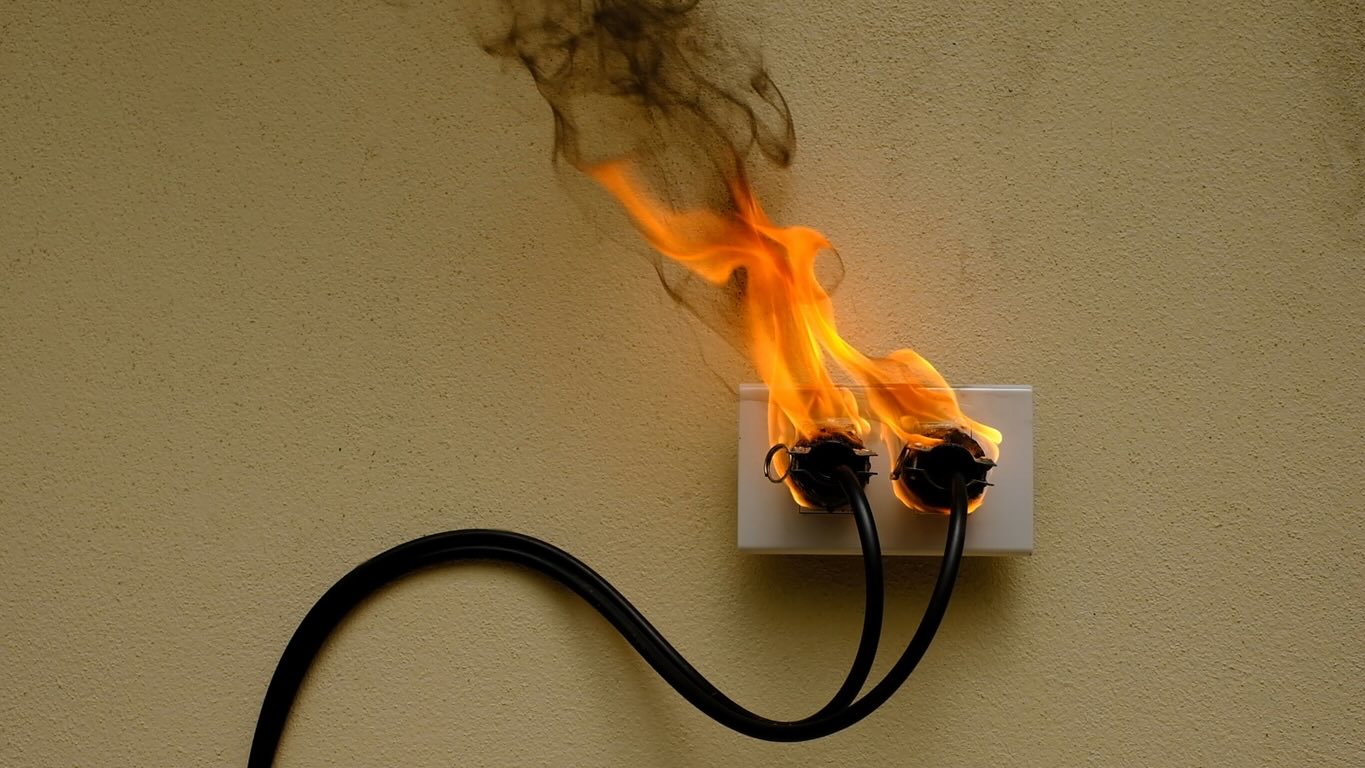
What NOT to Do During an Electrical Fire
Never Use Water
Water conducts electricity, which can create severe electrocution risks. Rather than extinguishing flames, water on electrical fires can spread fire as electricity arcs through moisture. Water may also damage electrical systems further, creating additional fire hazards.
Don’t Use Wrong Extinguisher Types
Using the wrong extinguisher type can worsen the situation, spread fire, or injure the operator.
- Class A extinguishers designed for ordinary combustibles often contain water or foam, which are both dangerous when used on electrical fires.
- Class B extinguishers for flammable liquids alone may not be suitable for electrical fires.
Always check extinguisher labeling before use and look for “C” or “ABC” designation.
Don’t Touch Electrical Equipment
- Never handle appliances, cords, or outlets during an electrical fire.
- Don’t attempt to unplug the plug, cord, or outlet, which are all potentially energized and dangerous.
- Avoid touching anything metal near the fire, since metal conducts electricity.
- Never assume power is off without verification, since electricity may still flow even when switches are off.
Don’t Attempt Heroics
- Never re-enter a building after evacuating. Conditions may have worsened, and you could become trapped.
- Don’t fight fires beyond your training and equipment capabilities.
- Don’t ignore your instincts—if the situation feels dangerous, you should evacuate immediately.
Don’t Delay Calling for Help
Don’t try handling the fire alone before calling for help. Don’t wait to see if the fire gets worse. Never assume a fire is too small for professional response—firefighters would rather respond to a false alarm than a tragedy. Emergency services bring expertise, equipment, and backup that individuals lack.
After the Fire is Out
Immediate Post-Fire Actions
- Keep power off to affected circuits until professional inspection confirms safety.
- Do not use any electrical equipment in the affected area, even if it doesn’t appear damaged. Document all damage with photographs for insurance claims.
- Preserve evidence of the fire’s cause for investigation by electricians or fire marshals.
- If you don’t own the property, notify the owners or building management immediately.
Professional Inspection Requirements
Have a licensed electrician inspect the electrical system before restoring power. Professional assessment identifies fire damage that may not be obvious. Electricians must identify the fire’s cause to prevent recurrence.
Preventing Fires with Regular Electrical Maintenance
Schedule professional electrical inspections every 3-5 years for your home or business. Update outdated electrical systems that weren’t designed for modern power demands. Replace old or damaged wiring before it fails. Install Arc Fault Circuit Interrupter (AFCI) and Ground Fault Circuit Interrupter (GFCI) protection devices that detect dangerous conditions and shut off power automatically. Address electrical issues promptly when discovered—small problems become big fires.
Learn More About Electrical Fire Safety
Electrical fires pose unique dangers requiring specific knowledge and proper equipment to handle safely. The key points to remember: assess the situation immediately, evacuate when fires exceed your capabilities, use only appropriate fire extinguishers rated for electrical fires, never use water on energized electrical equipment, and always call 911 first. For more information on electrical fire safety, the National Fire Protection Association (NFPA) and your local fire department can offer resources and guidance.
How Fouts Fire Apparatus Models Help Firefighters Provide Protection
At Fouts Fire, we are dedicated to providing fire departments with the equipment they need to defend their communities from electrical fires and many other hazards. Find a Dealer near you to learn more about our wide range of fire apparatus models available across the United States.