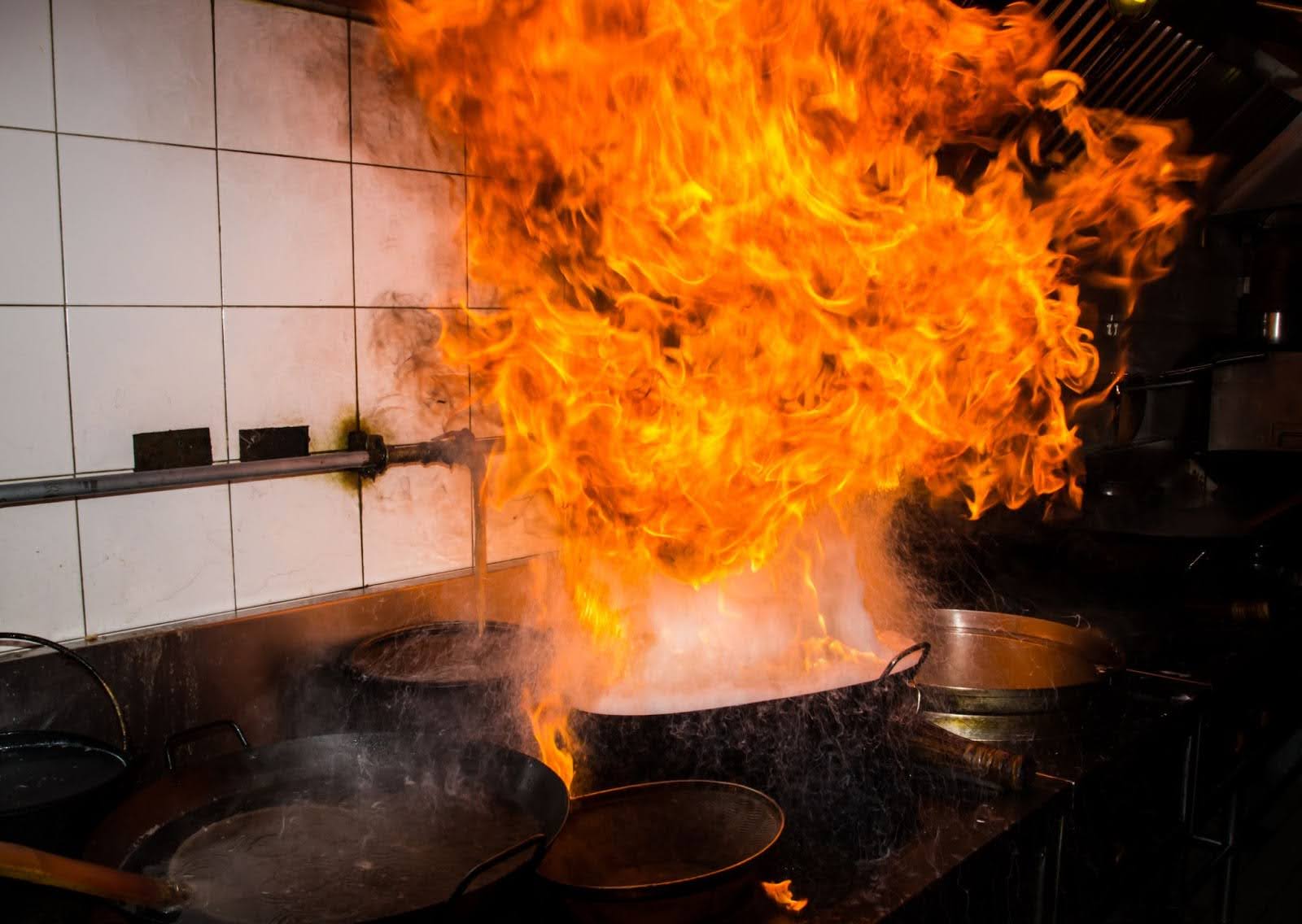
When it comes to firefighting, not all fires are created equal. Class K fires represent a particularly hazardous type of kitchen fire fueled by cooking oils, including vegetable oil, animal fats and other combustible cooking media. These fires often occur in commercial kitchens, where cooking appliances run at high temperatures for extended periods, creating ideal conditions for ignition. In fact, cooking equipment is the leading cause of these fires, accounting for 48.7% of residential building fires in 2023.
Fire departments must be well-versed in Class K fires and the specialized fire-extinguishing equipment required to handle them safely. Without the right fire suppression system and equipment, kitchen fires can escalate quickly, risking lives and causing extensive damage.
Common Causes of Class K Fires

Class K fires typically arise when flammable liquids, high temperatures and unattended cooking appliances come together.
1. High-Temperature Cooking and Oil Ignition
Cooking oil and animal oils have high ignition points but can easily ignite when overheated in deep fryers, grills or open-flame cooking appliances. Once ignited, burning oil spreads quickly due to its intense heat retention, potentially reigniting even after flames are initially suppressed.
2. Grease Build-Up in Cooking Areas
Grease fires often result from neglected maintenance. Grease and other flammable liquids build up on stovetops, cooking areas and even walls. Regular cleaning of these combustible cooking mediums reduces the chance of accidental ignition.
3. Malfunctioning or Dirty Ventilation Systems
Ventilation systems, particularly exhaust hoods and ducts in commercial buildings, accumulate flammable liquids like vegetable oil and animal fats. These hidden deposits can ignite from electrical equipment malfunctions or sparks, making early detection and rapid response challenging for firefighters.
4. Electrical Equipment Malfunctions
Electrical fires (Class C fires) caused by faulty wiring or overloaded circuits can ignite nearby grease and oils, quickly escalating into Class K incidents. Fire departments must approach these dual-hazard situations with the right fire extinguishers and tactics.
Fire Suppression Methods for Class K Fires

Extinguishing Class K fires requires specialized strategies distinct from those used for Class B fires (flammable liquid) or Class D fires (burning metals).
Why is Water the Wrong Choice?
Applying water to a cooking fire exacerbates the issue due to a dangerous chemical reaction. Water hitting burning oil results in explosive steam and rapidly spreading flames, significantly increasing fire hazards.
Wet Chemical Fire Extinguishers: The Optimal Choice
Wet chemical extinguishers are specifically designed to handle Class K fires effectively. They deliver a fine mist of alkaline mixture, forming a soapy foam layer on the burning surface, cutting off oxygen, cooling the fire and preventing reignition.
Automatic Fire Suppression Systems
Commercial kitchens should always have a suppression system that automatically deploys wet chemical agents in response to extreme heat or flames, dramatically improving fire safety. These systems help contain fires quickly, giving fire departments a valuable advantage upon arrival.
Prevention Strategies for Class K Fires
Firefighters know that the best way to fight a fire is to prevent it from happening in the first place. A well-maintained commercial kitchen with proper fire precautions can significantly reduce the risk of Class K fires.
Regular Cleaning and Maintenance
Since flammable liquids and combustible cooking media build up over time, keeping kitchen equipment clean is essential. Regularly cleaning deep fryers, exhaust hoods and cooking appliances removes dangerous grease deposits that could ignite under high temperatures.
Fire Extinguisher Readiness
Every commercial kitchen should have Class K fire extinguishers and portable fire extinguishers readily available. Kitchen staff and managers must know how to use them properly, as quick action can prevent a small cooking fire from spreading.
Staff Training and Fire Drills
Firefighters aren’t the only ones who need fire training. Kitchen employees should be educated on fire safety procedures, including how to react to a dangerous fire, when to use a wet chemical extinguisher and how to evacuate safely. Regular fire suppression system inspections and training can ensure a smooth response when every second counts.
How Fouts Fire Supports Firefighters in Combating Class K Fires
Fire departments face Class K fires frequently, with kitchen-related incidents making up a significant portion of commercial building fires. Fouts Fire provides pre-designed, quickly deployable fire trucks specifically suited for responding to kitchen and chemical fires. Their vehicles help firefighters tackle these complex incidents safely and efficiently.
Our Custom Features for Class K Fire Response:
- High-capacity Water Pumps: Essential for managing secondary fire risks around cooking areas.
- Foam Suppression Compatibility: Complements wet chemical agents already deployed on-site, enhancing overall suppression effectiveness.
- Compact, Maneuverable Designs: Designed for quick and efficient access to crowded kitchen environments, reducing critical response time.
Fire chiefs and department leaders understand that seconds count when responding to a kitchen fire. Investing in high-quality, reliable fire trucks ensures that firefighters arrive with the fire-extinguishing equipment they need to control Class K fires efficiently.
Partner with Fouts Fire Today
Equip your team with firefighting vehicles designed specifically for rapid and effective responses to Class K fires. Fouts Fire’s ready-to-deploy solutions offer the reliability and speed you need when every moment counts in managing kitchen fires.