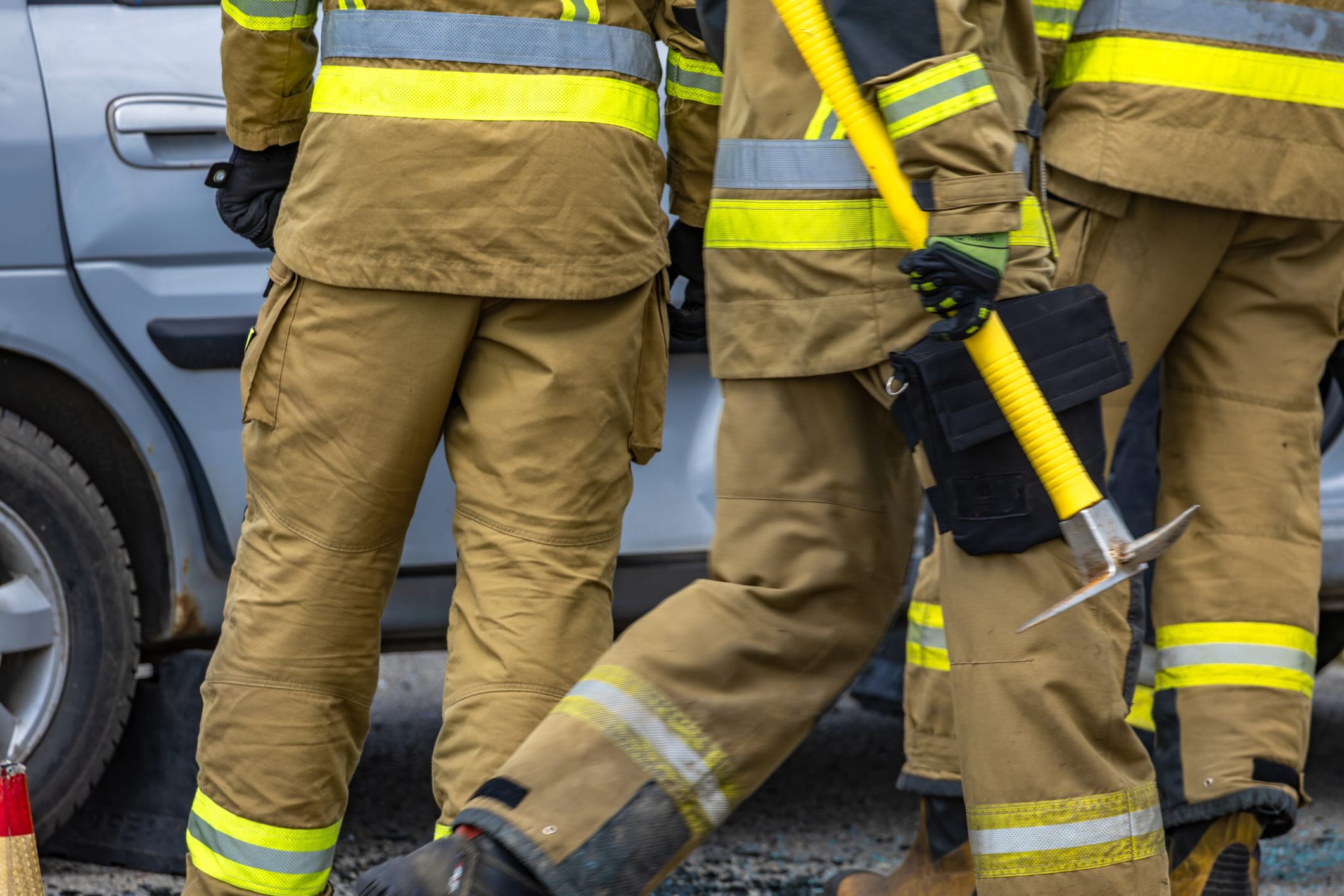
At a Glance: Firefighters use a variety of hand tools including forcible entry tools like the Halligan bar and flathead axe, cutting tools such as bolt cutters and hand saws, striking tools like sledgehammers and mauls. These tools are essential because they are reliable, require no fuel or batteries, and are always ready for immediate use in time-sensitive emergencies.
Firefighters rely on a variety of hand tools to perform their duties, from forcing entry into burning buildings to rescuing trapped victims and overhauling fire-damaged structures. Different tools serve specific purposes, and firefighters must be trained in the proper use of each to operate safely and effectively on the fireground.
Despite advances in powered equipment and technology, firefighting hand tools remain essential equipment on every apparatus. From the iconic Halligan bar and axe combination to specialized equipment designed to perform in remote locations, these firefighter tools represent decades of innovation in saving lives and protecting property.
Why Hand Tools Are Essential in Firefighting
Hand tools offer reliability and simplicity that powered equipment cannot match. They do not require fuel treatments, batteries, or power sources, and they function in any environment including smoke, heat, and water. Simple designs mean fewer mechanical failures, and hand tools are always ready for immediate use without startup time or preparation.
A single hand tool can often perform multiple tasks and adapt to unexpected situations. They are also quickly accessible from apparatus and critical in time-sensitive emergencies where every second counts.
Forcible Entry Tools
Halligan Bar
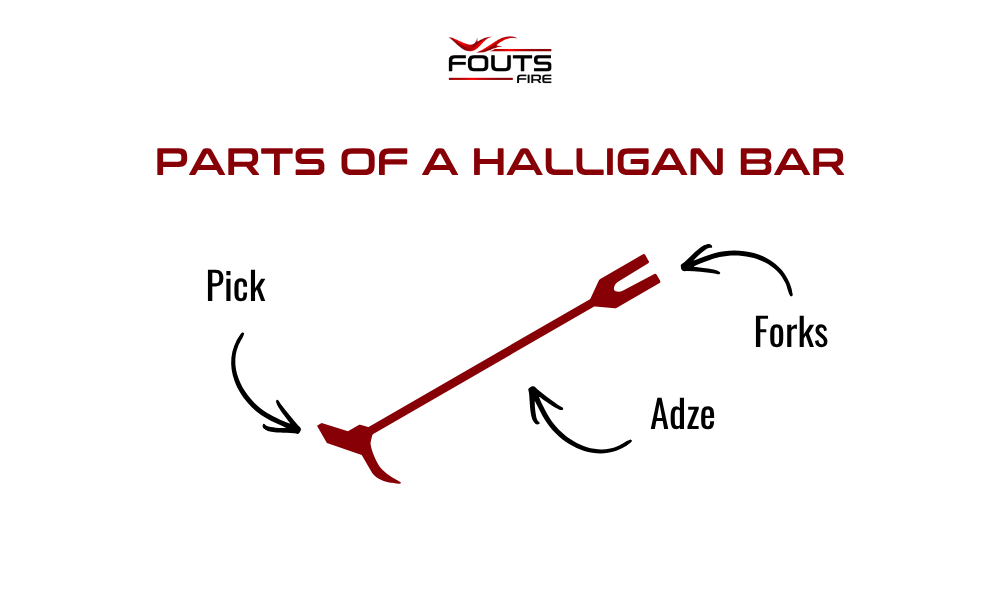
The Halligan tool is a multi-purpose forcible entry tool that features three components:
- Adze End: Used for prying and pulling
- Pike End: Used for puncturing and pulling
- Fork End: Used for prying doors, breaking locks, and leveraging
The Halligan is often paired with a flathead axe, a combination known as “the irons”, which together provide the tools needed for most forcible entry operations. The standard length is approximately 30 inches
Flathead Axe
One of the most recognizable firefighting tools, the flathead axe is a heavy axe with a flat striking surface on the back of the head. The cutting edge is used for chopping through wood, doors, and walls, while the flat head serves as a striking tool to drive the Halligan bar or other tools. Standard firefighter axes typically weigh 6 to 8 pounds.
Pick-Head Axe
The pick-head axe features a shortened pick on the back of the head instead of a flat surface. The pick is used for puncturing, pulling, and ventilation work, while the cutting edge handles chopping tasks. This axe is particularly useful for roof ventilation and overhaul operations where the pick can penetrate and pull apart roofing materials.
Other Forcible Entry Tools
Pry Bars (Crowbars)
These simple lever tools are used for prying and lifting and are available in various lengths for different applications. They are used for light forcible entry and overhaul and often carried as backup or secondary tools.
Kelly Tool
This forcible entry tool was popular before the Halligan bar was developed. It has different end configurations from the Halligan, including a chisel end and adze end.
Hux Bar
This combination forcible entry and pry tool features multiple prying and striking surfaces. It serves as an alternative to the traditional Halligan and axe combination and is designed for single-person forcible entry.
Manual Hydraulic Door Openers
These hand-powered hydraulic spreaders that create spreading force to pop doors open, offering a quieter option for controlled entry situations.
Cutting Tools
Axes
Axes are key tools for firefighters and are used on doors, walls, roofs, and floors. Both flathead and pick-head styles can be used for different tasks.
Hand Saws
By providing manual cutting capability for wood, drywall, and light materials without requiring a power source, these tools are useful when power saws are unavailable or impractical.
Bolt Cutters
Bolt cutters cut through padlocks, chains, bolts, and light metal, providing a quick alternative to other entry methods. They are standard equipment on most apparatus.
Wire Cutters
This tool is used for electrical wires, fencing, and light cables, with insulated handles for protection during electrical safety operations.
Tin Snips (Aviation Snips)
Tin snips cut sheet metal, tin, aluminum, and similar materials, useful for cutting through metal siding or ductwork during overhaul and ventilation operations.
Striking Tools
Flathead Axe Head
The flathead axe serves double duty as a striking tool, with the flat back of the axe head functioning as a hammer. It drives the Halligan bar, chisels, and wedges, making the pairing of flathead axe and Halligan bar the standard forcible entry set. This dual-purpose design maximizes utility while minimizing the number of tools firefighters must carry.
Sledgehammers
These deliver maximum striking force for driving tools, breaking locks, and breaching walls. They are available in various weights, commonly 6 to 16 pounds, and require two hands for effective use.
Mauls
These heavy striking tools are similar to sledgehammers. Some of them have designs featuring a wedge or axe blade on the opposite side for driving stakes and breaking concrete.
Mallets (Dead Blow)
These hammers are designed to minimize rebound and useful for controlled striking without damaging surfaces in technical rescue and delicate operations.
Hooks and Pulling Tools
Pike Poles
These long poles with a metal hook and point at the end, used to pull down ceilings, walls, and other materials. They open up concealed spaces to check for fire extension and are essential for overhaul and fire investigation. Pike poles are available in various lengths, commonly 6 to 12 feet.
Ceiling Hooks
Designed for interior use, these shorter versions of pike poles are easier to maneuver in confined spaces. They are used to pull ceilings and probe walls and are often carried into structures by firefighters for their compact and portable design.
Drywall Hooks
These specialized tools are designed specifically for drywall removal, cutting and pulling drywall more efficiently than pike poles. These modern designs reduce the effort required for extensive overhaul.
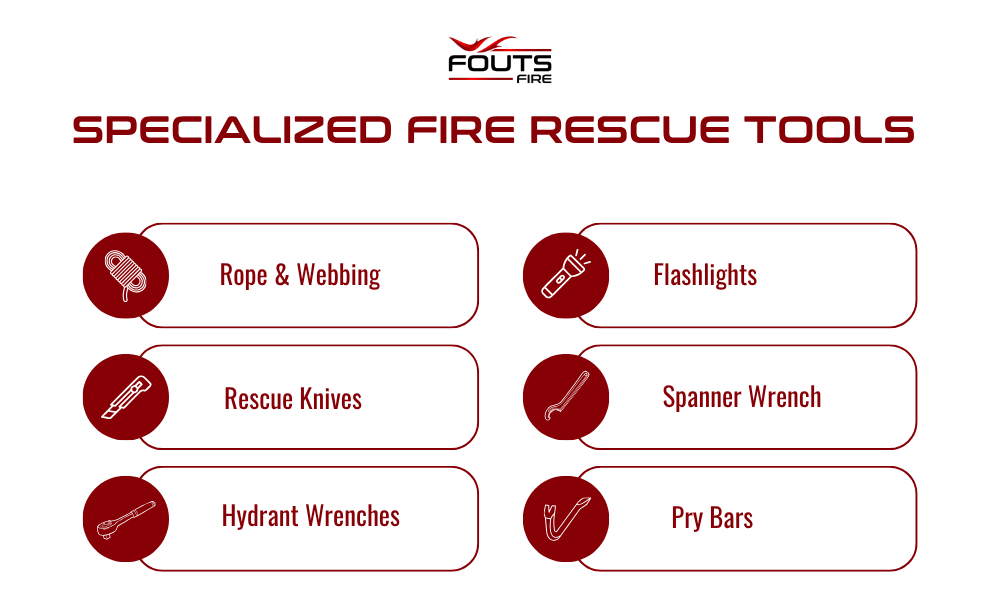
Specialized Rescue Tools
Rope & Webbing
Many firefighters carry these webbing and rope personally for their versatility in improvised solutions. These items serve multiple rescue purposes:
- Tubular Webbing: Used for rescue rigging and victim packaging
- Utility Rope: Used for hoisting tools and equipment
- Escape Rope: Used for emergency egress
Rescue Knives
These cutting tools are for seatbelts, rope, and webbing, often including a glass breaker. They are carried in turnout gear pockets for quick access during emergency cutting situations.
Window Punches
Providing a safer alternative to striking glass, these compact spring-loaded tools break tempered glass and are effective on vehicle side windows.
Flashlights
Specialized flashlights provide illumination in smoke, darkness, and confined spaces. Designs for firefighting include hand lights, right-angle lights and helmet-mounted options.
Spanner Wrenches
These tools tighten or loosen hydrants and fire hose connections, with multiple sizes for different coupling types.
Hydrant Wrenches
Specifically designed to open and close fire hydrants, an adjustable hydrant wrench has pentagonal sockets that fit standard hydrant operating nuts.
How Hand Tools Are Carried and Stored
Apparatus Mounting
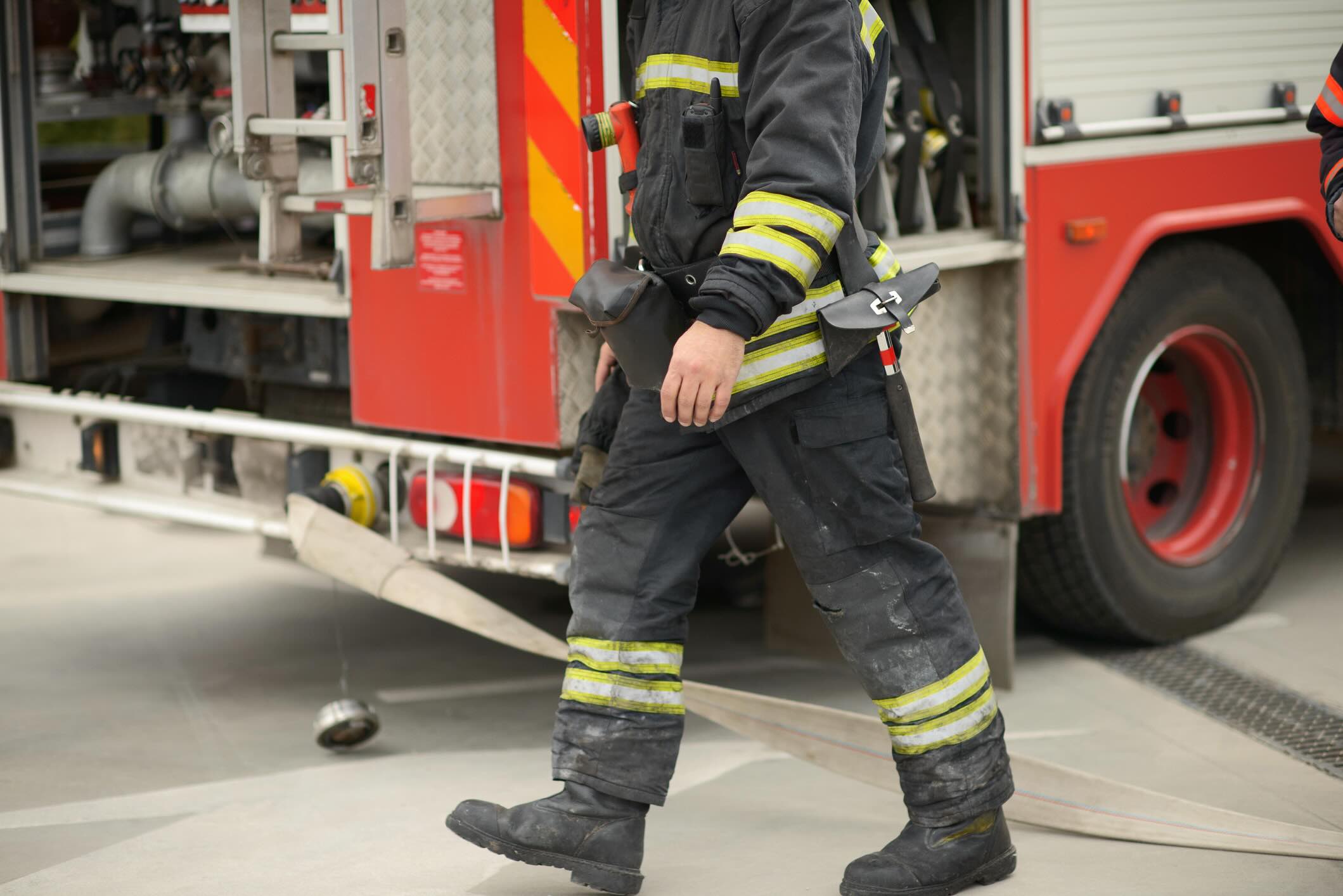
Tools are mounted on fire apparatus in designated locations using quick-release brackets for rapid deployment. They are protected from the elements during response and organized for efficient access. National Fire Protection Association (NFPA) standards outline the tool kits that should be carried on different types of apparatus.
Tool Assignments
Specific tools are assigned to positions on the apparatus, with engine companies carrying different tools than truck companies. These assignments make sure all necessary equipment is deployed at every incident. Firefighters are responsible for their assigned tools, and training includes tool identification and retrieval so crews can locate and deploy equipment quickly under emergency conditions.
Personal Tools
Some firefighters also carry personal hand tools. Flashlights, rescue knives, and webbing are common personal items that give individual firefighters additional capabilities on the fireground. These personal tools must meet department standards.
Equip Your Fire Station with a Fouts Fire Apparatus
Fire crews use a wide variety of hand tools including forcible entry tools like the Halligan bar and axe, cutting tools, hooks, and other types of specialized firefighting equipment. Using the right firefighter tools allows crew members to effectively force entry, perform rescues, and overhaul fire-damaged buildings. Knowing about firefighter hand tools provides insight into how fire crews operate and the equipment they rely on every day.
At Fouts Fire, we are dedicated to providing first responders in the United States and Canada with the right tools to protect their communities. Our pumpers, tankers, rescue trucks, and other fire apparatus models are designed with plenty of storage space, so firefighters have all the life-saving tools they need when they’re responding to an emergency. Find a Fouts Fire Apparatus Dealer Near You to discover high-quality vehicles that meet your fire service needs.