
At a Glance: To become a volunteer firefighter, you must meet basic requirements and complete comprehensive training that covers firefighting, emergency medical care, and specialized rescue techniques. Once trained, volunteers commit to being on-call for emergency responses. While the role demands significant time and dedication, it offers the rewarding opportunity to serve your community and develop valuable skills.
Volunteer firefighters serve their communities by responding to emergencies, saving lives, and protecting property. Unlike career firefighters who work full-time for municipal fire departments and receive salaries and benefits, volunteer firefighters maintain other jobs and careers while remaining on call to respond when emergencies strike. Over 65% of firefighters in the United States are volunteers, and volunteer departments provide the only fire and emergency medical services available in many small communities.
As a volunteer firefighter, you’ll develop valuable skills, including firefighting techniques, emergency medical care, rescue operations, and leadership abilities. Becoming a volunteer firefighter involves meeting specific requirements, completing training, and making a significant time commitment. While the position can be difficult, being a volunteer can be a rewarding experience and potentially open pathways to many other careers.
Basic Requirements and Qualifications
Before applying to become a volunteer firefighter, you’ll need to meet several basic requirements that ensure you’re prepared for the physical and mental demands of the role.
Age Requirements
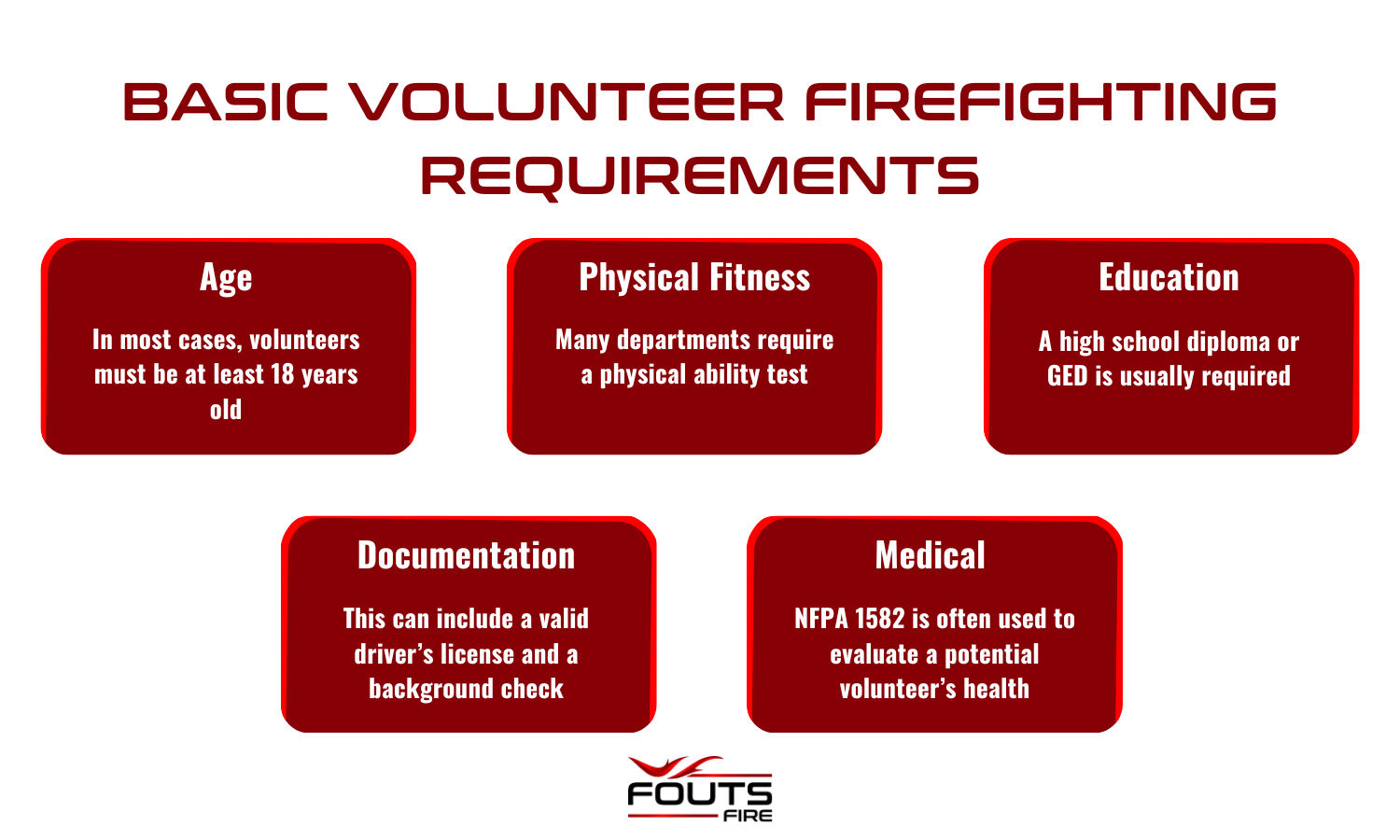
These vary by department, but most require volunteers to be at least 18 years old. The National Junior Firefighting Program allows young people to participate in training and non-emergency activities by offering online resources and connecting them with local opportunities.
Physical Fitness
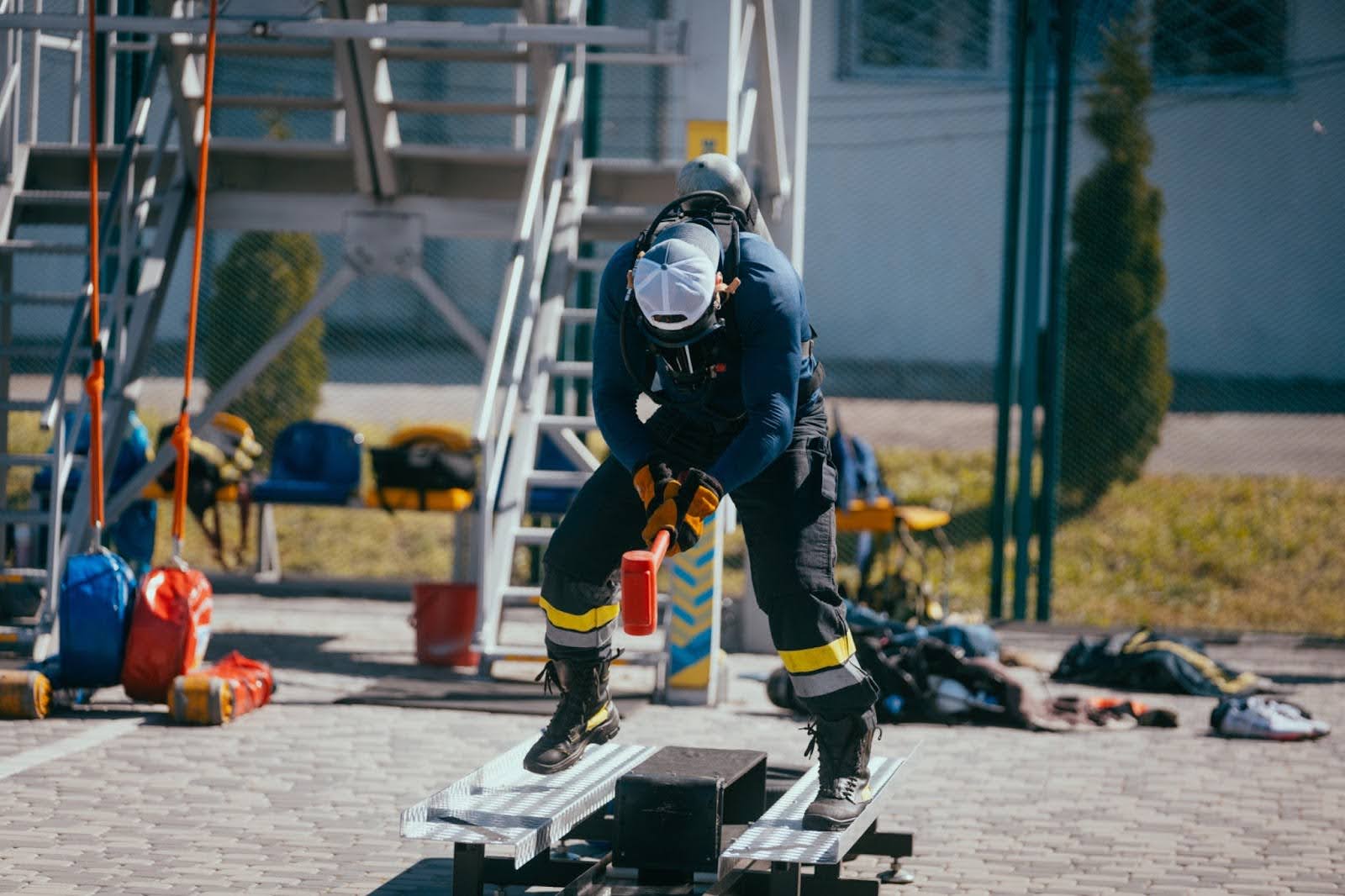
Being a firefighter is very physically demanding. While specific fitness standards vary by department, you should expect to pass a physical ability test that may include tasks like carrying heavy equipment, climbing ladders, dragging hoses, and performing rescue operations.
Documentation
Most local departments require multiple forms of documentation, including:
- Valid Driver’s License: Volunteers may need to respond to the fire station in personal vehicles or, in some cases, drive a fire apparatus. Some departments also ask for a driver history check.
- Background Check: Departments look for candidates with clean records who demonstrate trustworthiness and good judgment.
- Residency Requirements: Typically, volunteers need to live within a reasonable response distance of their assigned station, often within 5-10 miles, so they can respond quickly when emergencies occur.
Medical Examination
This exam typically includes cardiovascular screening, respiratory function tests, and evaluations to identify any conditions that could make you unable to perform as a first responder. NFPA 1582 is often used as a reference for medical requirements.
Education Requirements
Most departments require a high school diploma or GED. However, the ability to learn quickly and remember information is crucial, since the extensive training covers technical material.
The Application and Training Process
Finding and Applying to Departments
If you’re interested in becoming a volunteer firefighter, start by researching local volunteer fire departments in your area. Visiting department websites, attending community events where firefighters are present, and reaching out directly can help you learn more about fire service opportunities. Some departments are busier with more frequent calls, while others serve quieter communities. Understanding each department’s needs can help you find the right fit.
The application process typically includes submitting a written application, providing references, and participating in interviews with department officers or membership committees. Many departments offer ride-along opportunities where you can spend time at the station, meet current members, and experience what responding to calls involves.
Training Requirements
Once accepted, you’ll begin comprehensive training to prepare you for emergency response. The time commitment for initial training typically totals 100-300+ hours or more, depending on your department’s requirements and the certifications needed.
Firefighter Education
These courses form the foundation of your firefighting education, covering fire behavior, building construction, hose operations, ladders, search and rescue, ventilation, and much more. Your education can include national, state, or local courses depending on the department’s requirements.
- NFPA 1001: This is used as a benchmark for firefighting job performance requirements.
- They typically need classroom instruction and hands-on training.
- National Incident Management System (NIMS): Some departments require or recommend these courses, which are provided by the FEMA Emergency Management Institute.
- National Fire Academy (NFA): These programs include free courses and online options.
- National Volunteer Fire Council (NVFC): The NVFC offers online and in-person training that covers a variety of relevant topics.
Emergency Medical Technician (EMT) Certification
Many departments also require or encourage EMT certification since a significant portion of fire department calls involve medical emergencies. This training teaches you to assess patients, provide emergency medical care, and assist with transport to hospitals.
Additional Training
Some other training courses that might be a part of your education include:
- Hazardous Materials Awareness: This course teaches you to recognize and respond safely to chemical spills and dangerous substances.
- Vehicle Extrication Training: This prepares you to rescue people trapped in crashed vehicles using specialized tools like hydraulic cutters and spreaders.
This training often occurs during evenings and weekends over several months to accommodate volunteers’ work schedules. Once you’re a volunteer, ongoing training and continuing education are required to maintain skills, learn new techniques, and keep certifications current.
Probationary Period
After completing initial training, you’ll enter a probationary period that lasts 6-12 months. During this time, you’ll take on many different responsibilities, including:
- Responding to calls under the supervision of experienced firefighters.
- Working efficiently as part of a crew
- Learning about different types of structures and emergencies and their unique challenges
- Staying calm and focused when situations become chaotic.
A mentor or training officer will guide you through probation, evaluating your performance and providing feedback to help you improve.
Successfully completing probation requirements, which may include responding to a minimum number of calls and demonstrating proficiency in key skills, allows you to gain full membership status in your department.
Time Commitment and Responsibilities
Response Expectations
Volunteer firefighting requires significant availability. You’ll be on call for emergency responses, meaning you must be ready to drop what you’re doing and respond when you’re alerted to a call. Minimum call volume expectations may require you to respond to a certain percentage of calls or a minimum number per month.
Balancing volunteer firefighting with work, family, and other commitments is challenging but manageable with planning and family support. Some employers are supportive of volunteer firefighters, but this can depend on the state you live in and your specific position. You’ll need to discuss expectations and potential impacts on your work schedule with your employer.
Regular Duties
Beyond emergency response, volunteer firefighters have regular duties that keep the department functioning.
- Scheduled Training: Often taking place weekly or bi-weekly, these provide ongoing skill development and team cohesion.
- Station Maintenance: These equipment checks make sure that all apparatus and tools are ready for the next call.
- Community Events: These events support department operations, fundraising initiatives, and build community relationships.
- Administrative Duties: These meetings and other tasks usually cover department business, planning, and policy matters.
Types of Calls You’ll Respond To
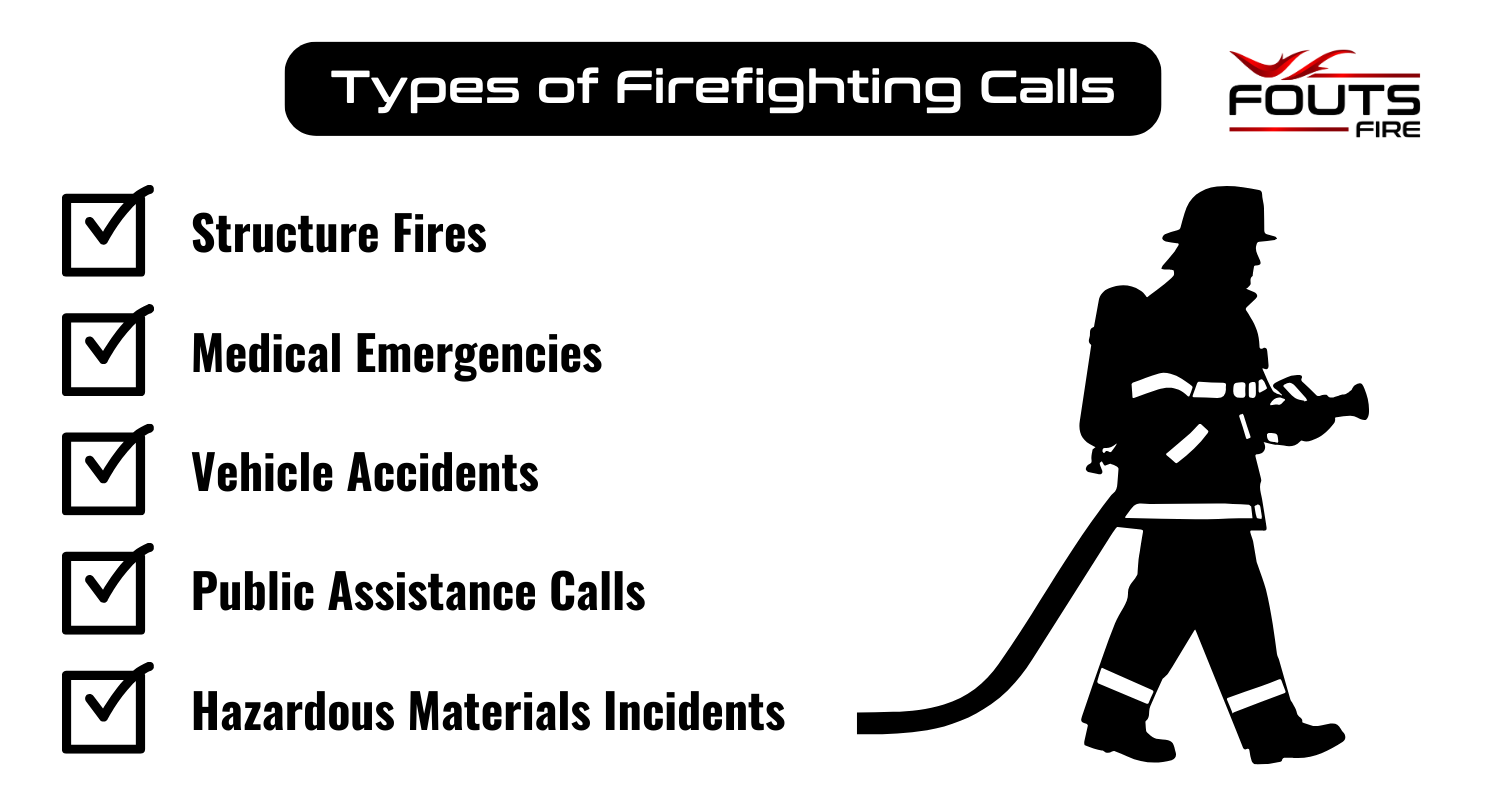
Volunteer firefighters respond to many different types of emergencies, including:
- Structure Fires: These range from small kitchen fires to house fires requiring hours of firefighting and overhaul work.
- Vehicle Accidents: These often require extrication, patient care, and scene management on busy roadways.
- Medical Emergencies: These make up a large portion of calls and can include cardiac arrests, injuries, and illnesses.
- Hazardous Materials Incidents: Also known as HAZMAT incidents, these often involve chemical spills, gas leaks, and other dangerous materials requiring specialized response.
- Public Assistance Calls: These can include everything from locked-out residents to downed power lines.
- Seasonal Challenges: Certain emergencies happen more often in certain seasons, such as brush fires in dry summers or vehicle accidents during winter storms.
- Location-Specific Emergencies: Different regions can also have different risk factors, such as climate and population size, that will affect the types of emergencies you’ll respond to.
How to Apply
If you’re ready to apply, contact local fire departments directly to express your interest and ask about their application process. Many departments have specific recruitment periods or application deadlines. You can also attend recruitment events and open houses when departments actively seek new members to meet current members and ask questions.
Prepare for the application and interview by thinking carefully about your motivation for joining and being honest about your availability and commitment level. Questions to ask during the process might include:
- What is the typical call volume?
- What training will be provided? What will I need to get on my own?
- What are the monthly time commitments beyond emergency calls?
- What if I have to take time off for family or work obligations?
Making the Commitment
Before taking the final step, your family needs to know what you’re committing to and how it will affect household schedules and dynamics. Emergency calls come at all hours, and your loved ones will need to understand and support these interruptions. Plan for the time commitment realistically by mapping out how you’ll fit training, calls, and station duties into your existing schedule.
Find Fire Apparatus Solutions at Fouts Fire
Becoming a volunteer firefighter is one of the most meaningful ways to provide a public service to your community. If you’re ready to make a difference, contact your local fire department to begin your journey.
At Fouts Fire, we are proud to help volunteer and career firefighters by offering fire apparatus models that are designed for resilience and durability. Our standardized designs are equipped with features that help rural, suburban, and urban fire departments protect their communities in many different emergency situations. Find a Dealer near you to learn how our vehicles can help your department maintain the highest standards of safety and excellence.